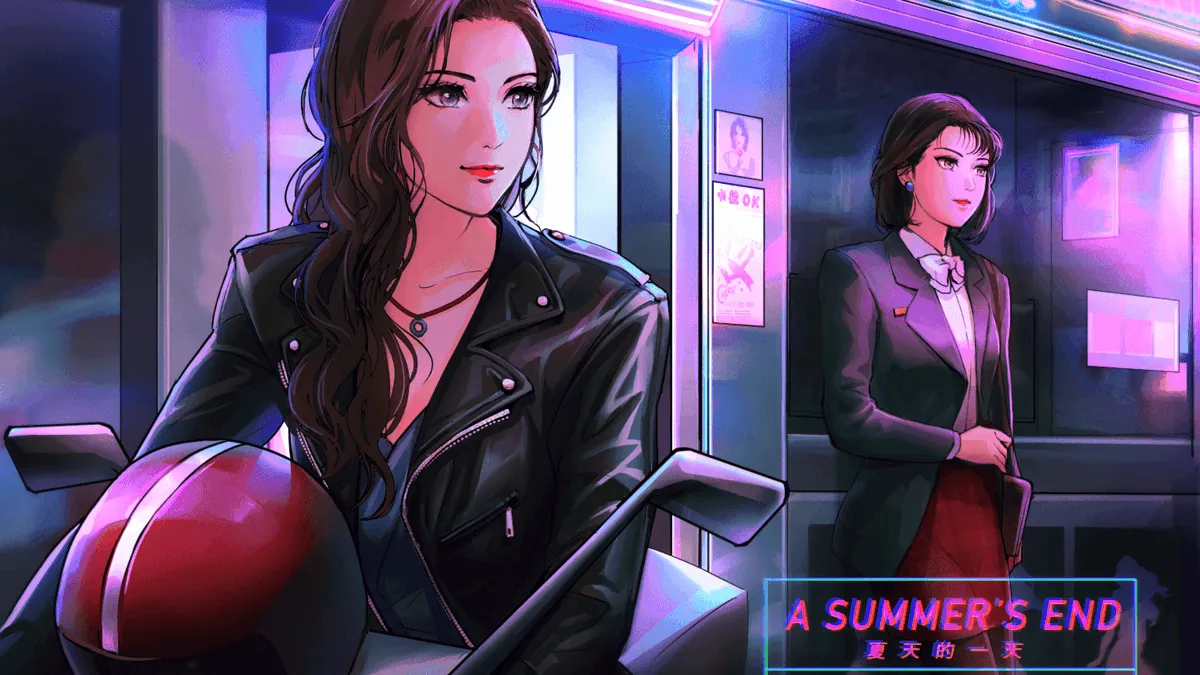
A Summer’s End – Hong Kong, 1986
Play A Summer’s End – Hong Kong, 1986
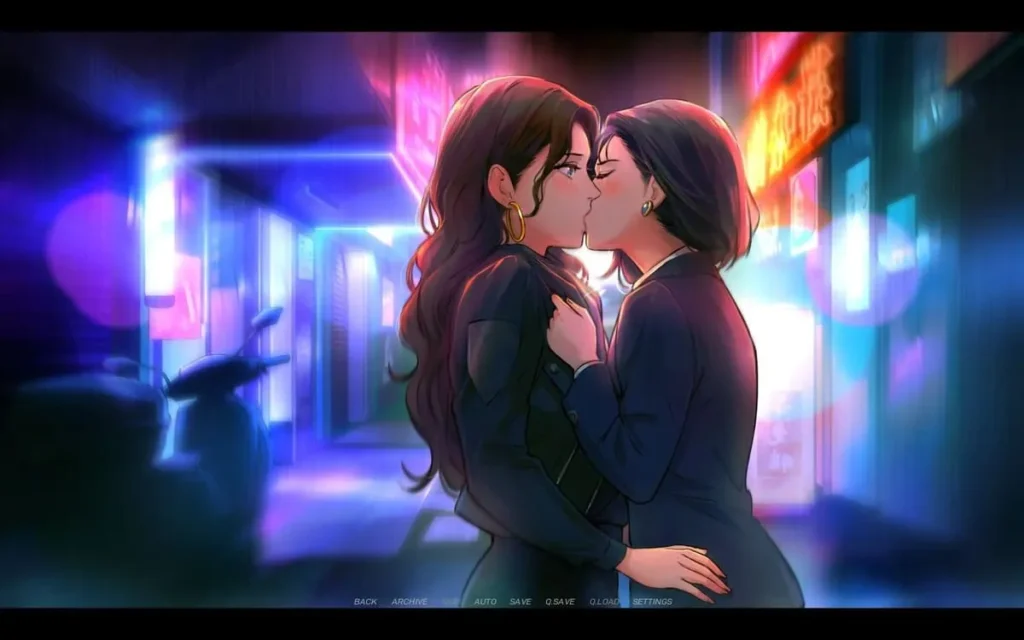
A Summer’s End – Hong Kong, 1986 Screenshots







A Summer’s End – Hong Kong, 1986 review
Exploring the Story, Setting, and Unique Features of A Summer’s End – Hong Kong, 1986
A Summer’s End – Hong Kong, 1986 is a captivating visual novel set against the vibrant backdrop of 1980s Hong Kong. This game tells a poignant story of love and self-discovery between two women, Michelle and Sam, blending rich cultural elements with immersive storytelling. With its hand-drawn art inspired by 80s anime and a nostalgic soundtrack, the game offers players a unique experience that goes beyond typical romance narratives. In this article, we dive deep into what makes this visual novel stand out, from its setting and characters to its gameplay and emotional impact.
Unpacking the Story and Characters of A Summer’s End – Hong Kong, 1986
Let’s be honest—we’ve all played stories where the romance feels as deep as a puddle. The characters fall in love because the plot says so, and their conflicts are solved with a grand, unrealistic gesture. If you’ve ever rolled your eyes at that, then you’re exactly who A Summer’s End – Hong Kong, 1986 was made for. This isn’t a fairy tale; it’s a beautifully painted window into two lives colliding, set against a backdrop that’s as much a character as the people in it. 🏙️
The magic of this visual novel romance doesn’t come from melodrama, but from its quiet, profound authenticity. It’s a story that understands that the biggest battles for love and self are often fought in silent glances, hesitant conversations, and the weight of unspoken expectations. Ready to dive into what makes this experience so special? Let’s unpack the heart of it all.
Who Are Michelle and Sam? The Heart of the Narrative
At the core of the A Summer’s End story are Michelle and Sam, two women whose worlds couldn’t seem more different. Michelle is a career-driven office worker, dressed in sharp blazers and navigating the corporate ladder. Sam is a free-spirited, independent video store clerk, living life on her own terms. Their first meeting isn’t cinematic—it’s awkward, charged with a strange, unexpected tension.
Imagine this: a rainy Hong Kong evening. Michelle, frustrated after a long day, ducks into a video store. Sam, leaning casually against the counter, gives her a look that’s both challenging and intrigued. They talk about movies—a simple, mundane exchange. But in that moment, something shifts. It’s not love at first sight; it’s curiosity, a recognition of something familiar in a stranger’s eyes. This is where their journey begins.
This is the foundation of the Michelle and Sam relationship. It grows slowly, like a Polaroid developing. Their early interactions are a dance of tentative steps and retreats, filled with shared VHS tapes and conversations that slowly peel back their layers. What makes their connection so compelling is its realistic character development. They are flawed, complex individuals. Michelle is reserved, grappling with familial duty and her own repressed desires. Sam is outwardly confident but carries her own scars and vulnerabilities.
Their relationship isn’t just about finding romance; it’s about finding a mirror. Through each other, they confront parts of themselves they’ve ignored or hidden. The narrative gives them space to be unsure, to make mistakes, and to grow both individually and as a pair. This isn’t a story that rushes to a happy ending—it earns every moment of connection through genuine, sometimes painful, growth.
To understand their dynamic better, let’s look at what each brings to this pivotal summer:
| Character | Core Trait | Internal Conflict | What They Learn |
|---|---|---|---|
| Michelle | Dutiful & Reserved | Struggle between family obligation and personal desire | To embrace her own identity and courage |
| Sam | Free-spirited & Independent | Fear of vulnerability and past emotional wounds | To trust and build a future with someone |
Themes of Identity, Love, and Cultural Conflict
The identity and love themes in A Summer’s End are deeply entangled with its setting. This isn’t a romance in a vacuum; it’s a romance under pressure. The 1980s Hong Kong culture depicted is a pivotal force, a society perched between traditional Chinese values and burgeoning Western influence. The game masterfully uses this specific time and place to heighten every emotional stake.
For Michelle, the pressure is immense. Her family represents traditional expectations: a good career, marriage to a man, and upholding social standing. To explore her feelings for Sam is to risk not just personal heartache, but familial rejection and social stigma. This creates a potent family conflict in game that feels heartbreakingly real. It’s not portrayed as simple villainy; her family’s disapproval comes from a place of love, concern, and ingrained tradition, making the emotional turmoil even more complex.
Sam, while more liberated, isn’t free from this cultural context either. Her lifestyle is a conscious rebellion against similar norms, and her relationship with Michelle forces her to consider what she truly wants from love and commitment. Their romance becomes an act of defining oneself against a powerful current.
The game explores profound questions:
* Can you be true to yourself if it means disappointing everyone who defines you?
* Is love a private feeling or a public commitment that challenges societal structures?
* How do you build an identity when the world gives you conflicting blueprints?
By grounding its visual novel romance in these real-world tensions, A Summer’s End transforms a personal love story into a universal narrative about the courage to choose oneself. 💖
How the Story Balances Romance and Realism
So, how does the A Summer’s End story avoid the traps of cliché to deliver something so genuinely moving? The answer lies in its commitment to balance. It never sacrifices the quiet truth of human experience for the sake of dramatic plot points.
First, the pacing is deliberate. The story unfolds over a summer, allowing the Michelle and Sam relationship to develop at a believable speed. We see their daily routines, their mundane moments, and their private doubts. The romantic highs are interspersed with awkward silences, misunderstandings, and the simple, lovely boredom of two people just being together. This makes the emotional crescendos feel truly earned and devastatingly powerful.
Second, the dialogue is a masterclass in subtext. Characters often say one thing while meaning another, reflecting how people actually communicate—especially when discussing fraught topics like desire and fear. The narration, deeply tied to Michelle’s perspective, lets us into her internal world of second-guessing and longing, making her journey immensely relatable.
Finally, the game embraces ambiguity and choice. While leading toward its core themes, it allows for moments of uncertainty. Not every conflict has a neat resolution, and not every personal battle is won by the story’s end. This reflects real life, where realistic character development is ongoing and rarely linear. The romance is presented as a beginning, a source of strength and clarity for a longer journey, not a magical solution to all of life’s problems.
In the end, A Summer’s End – Hong Kong, 1986 gives us a romance that feels discovered, not manufactured. It’s a testament to the idea that the most powerful love stories are those where the stakes are human, the settings are tangible, and the characters feel like they could walk right off the screen and into your world. It’s a beautiful, poignant reminder of the summer that can change everything. 🌅
A Summer’s End – Hong Kong, 1986 offers a richly woven narrative set in a beautifully recreated 1980s Hong Kong, combining heartfelt storytelling with immersive visuals and music. Its nuanced portrayal of love and identity, supported by engaging gameplay mechanics and optional content, makes it a standout visual novel experience. Whether you are drawn to its cultural authenticity, emotional depth, or artistic style, this game invites players to explore a meaningful story at their own pace. Dive into this unique journey and discover the lasting impression it leaves.