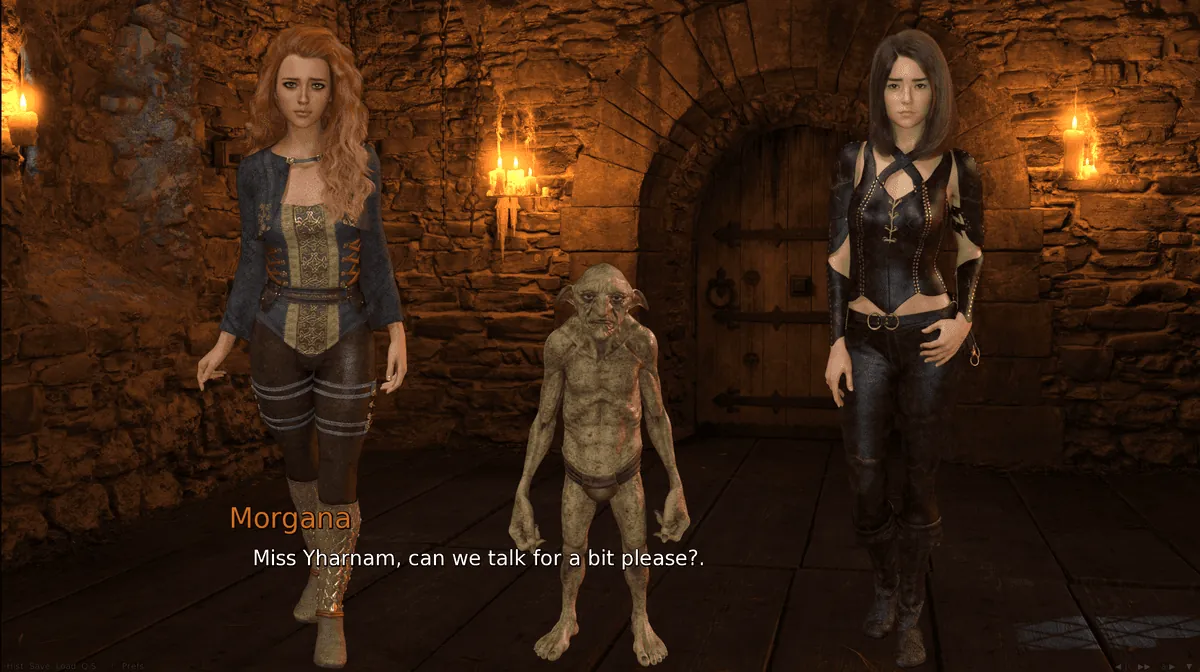
Evermore
Play Evermore
Evermore Screenshots













Evermore review
An in-depth, player-focused walkthrough and review of Evermore
This article is a hands-on guide to Evermore, written from a player’s perspective to help you decide whether to play and how to get the most from it. Evermore is the central focus of this piece, and I’ll walk you through story highlights, systems, installation steps, customization, and personal tips based on my play sessions. If you want a practical, experience-based resource that blends review, tutorial and strategy, you’re in the right place.
Overview: What Evermore Is and Why It Matters
So, you’ve heard the whispers about Evermore and now you’re here, wondering what all the fuss is about. Maybe a friend won’t stop raving about it, or you saw a stunning screenshot that stopped your scroll. I was in your shoes once, and I’m here to tell you: the hype is real, but it’s also a unique beast. This Evermore game overview is your friendly, no-fluff guide to getting from “Hmm, what is this?” to diving headfirst into its beautiful, bewildering world. Think of this as your pre-game pep talk and practical prep station rolled into one. 🗺️✨
What Evermore is: core premise and tone
At its heart, Evermore is a narrative-driven, open-world RPG where you play as a Chronomancer—a wielder of time magic—in a land literally shattered by a temporal cataclysm. The core premise isn’t just about saving the world; it’s about mending it. The game’s stunning landscapes are fractured into islands of different time periods: a prehistoric jungle might border a clockwork steampunk city, which crumbles into a desolate future wasteland. Your goal is to explore these fragments, unravel the mystery of “The Sundering,” and use your powers to heal the tears in reality.
The key gameplay loop is a delicious mix of exploration, tactical combat, and thoughtful puzzle-solving. You’ll spend your time:
* Exploring diverse, hand-crafted biomes, each with its own ecology, challenges, and stories.
* Engaging in combat that rewards timing and strategy over button-mashing. Your time magic lets you slow enemies, rewind your own mistakes, or even create temporal echoes to fight alongside you.
* Solving environmental puzzles that directly utilize your chronomancy, like restoring a broken bridge to its past state or fast-forwarding a seedling into a climbable vine.
The overall tone is one of melancholic beauty and cautious hope. There’s a deep sadness to this broken world, found in the ruins and the stories of its inhabitants, but your role as a mender provides a powerful sense of purpose. The music is atmospheric, the visuals are painterly, and the writing focuses on personal stories within the larger crisis. This isn’t a game about becoming a godlike hero; it’s about being a careful healer for a wounded world. 🌄⏳
Who should play Evermore: audience and expectations
Evermore won’t be for everyone, and that’s okay! Knowing who it’s for will save you time and set the right expectations. This Evermore game overview would be remiss if it didn’t tell you plainly who will get the most from this experience.
- The Explorer & Story Seeker: If you love getting lost in a world, reading every lore scrap, and talking to every NPC just to piece together the history, you’ll feel right at home. The story is delivered through environmental storytelling and character encounters as much as through main quest cutscenes.
- The Tactical Thinker: If you prefer combat where positioning, ability choice, and timing matter more than raw stats or reflexes, you’ll appreciate Evermore’s system. It feels like a puzzle in itself.
- The “Chill Vibes” Gamer: While there are intense moments, a significant portion of the game is about peaceful exploration, beautiful vistas, and contemplative puzzle-solving. It’s a fantastic game to decompress with.
- The Completionist: With hidden fragments, temporal anomalies to fix, and myriad side stories, there’s a wealth of content for those who want to see and do it all.
A few important notes on audience:
* Accessibility: The game offers a robust suite of options, including difficulty sliders for combat and puzzle timing, extensive colorblind modes, subtitle customization, and full controller support on PC. I found the menu navigation very screen-reader friendly, too.
* Content Warnings: The game deals with themes of loss, existential dread, and the consequences of catastrophe. While not graphically violent, the emotional tone can be heavy. There are also some mild horror elements in certain “decayed” time fragments (think eerie silence and unsettling visual distortions).
If you’re coming from fast-paced loot-driven RPGs expecting constant action, you might find the pacing deliberate. But if the idea of thoughtfully shaping a world with time magic speaks to you, you’ve found your next obsession. 🤔❤️
First impressions: installation, system requirements, and setup
Alright, let’s get practical! The Evermore installation guide portion of our journey is crucial for a smooth start. First things first: where do you get it? Evermore is available on PC (via Steam and the Epic Games Store), PlayStation 5, and Xbox Series X/S. There’s no cross-play, but all versions receive the same updates.
Now, let’s talk tech. You don’t need a NASA computer to run it, but to truly appreciate its visual splendor, you’ll want to meet the recommended specs. Here’s a quick-reference table I wish I had when I started:
| Platform | File Size | Minimum Requirements (PC) | Recommended Specs (PC) |
|---|---|---|---|
| PC (Windows) | ~40 GB | OS: Win 10 64-bit | CPU: Intel i5-7500 / AMD Ryzen 3 1200 | GPU: GTX 1060 6GB / Radeon RX 580 | RAM: 8 GB | Storage: 40 GB SSD | OS: Win 10/11 64-bit | CPU: Intel i7-10700K / AMD Ryzen 5 5600X | GPU: RTX 3060 Ti / Radeon RX 6700 XT | RAM: 16 GB | Storage: 40 GB NVMe SSD |
| PlayStation 5 | ~38 GB | Runs at dynamic 4K, 60 FPS Performance Mode or 30 FPS Fidelity Mode with enhanced visuals. | |
| Xbox Series X/S | ~38 GB | Series X: Similar to PS5. Series S: Targets 1080p/60 FPS with adjusted visual settings. | |
Pro Tip: The game heavily benefits from an SSD. Load times between time fragments can be lengthy on a traditional hard drive. This is the single best upgrade for your Evermore experience.
My personal Evermore installation guide anecdote? I installed it on my older gaming laptop’s HDD initially. The first load into the world took nearly three minutes, and area transitions were a major buzzkill. Once I moved it to my SSD (a simple process in Steam), load times were under 30 seconds. It was a night-and-day difference! 🚀
Initial Configuration Checklist:
Once you boot up, here’s my advised setup routine:
1. Graphics: Start with the “High” preset. Evermore is well-optimized. If you have an RTX card, enable DLSS for a great performance boost.
2. Audio: The soundtrack is half the experience. Put on good headphones and set the “Music” volume to at least 70% for maximum immersion.
3. Controls: Try the default scheme first. I play with a controller on PC for the smoother analog movement, but mouse-and-keyboard is great for precise menu navigation. Rebind one key immediately: the “Chrono Vision” ability (default ‘V’). You’ll use it constantly; put it somewhere easily accessible.
4. Save Locations: The game uses an autosave system at chronostasis points (glowing time crystals) and manual saves. MANUAL SAVE OFTEN. I learned this after losing 45 minutes of puzzle-solving. You can have multiple save slots—use them!
A Beginner’s Session Case Study: Let me paint a picture of my friend Sam’s first 90 minutes. After the intro, they stepped into the first open fragment, “The Verdant Weald.” Instead of beelining the quest marker, they spent 20 minutes just looking around, using Chrono Vision to highlight interactive objects. They got stuck on a simple puzzle involving a stuck cart. They tried brute force, then rewinding it, before realizing they could age the rotten wooden brace holding it to dust. The “aha!” moment was priceless. They fought their first temporal “glitch” enemy, died once by being too aggressive, then won by slowing it and attacking from behind. By the end of the session, they weren’t a powerful hero—they were a curious apprentice, and they were hooked. That’s the magic of Evermore’s onboarding. 🎮🌱
This Evermore game overview should have given you a solid foundation of what the Evermore game is all about, who it’s for, and exactly how to get started on the right foot. Remember, the key is to be patient, be curious, and don’t be afraid to rewind. Your journey to mend Evermore begins now. Good luck, Chronomancer.
Evermore offers a layered experience that rewards exploration, choice and mastery; this guide walked you through setup, story, systems, community and advanced strategies to help you get the most from the game. Try the early-game checklist, experiment with builds, and join the community hubs linked in the resources section to learn from other players. If you enjoyed this guide, share your own Evermore story and tips in the comments to help other readers.