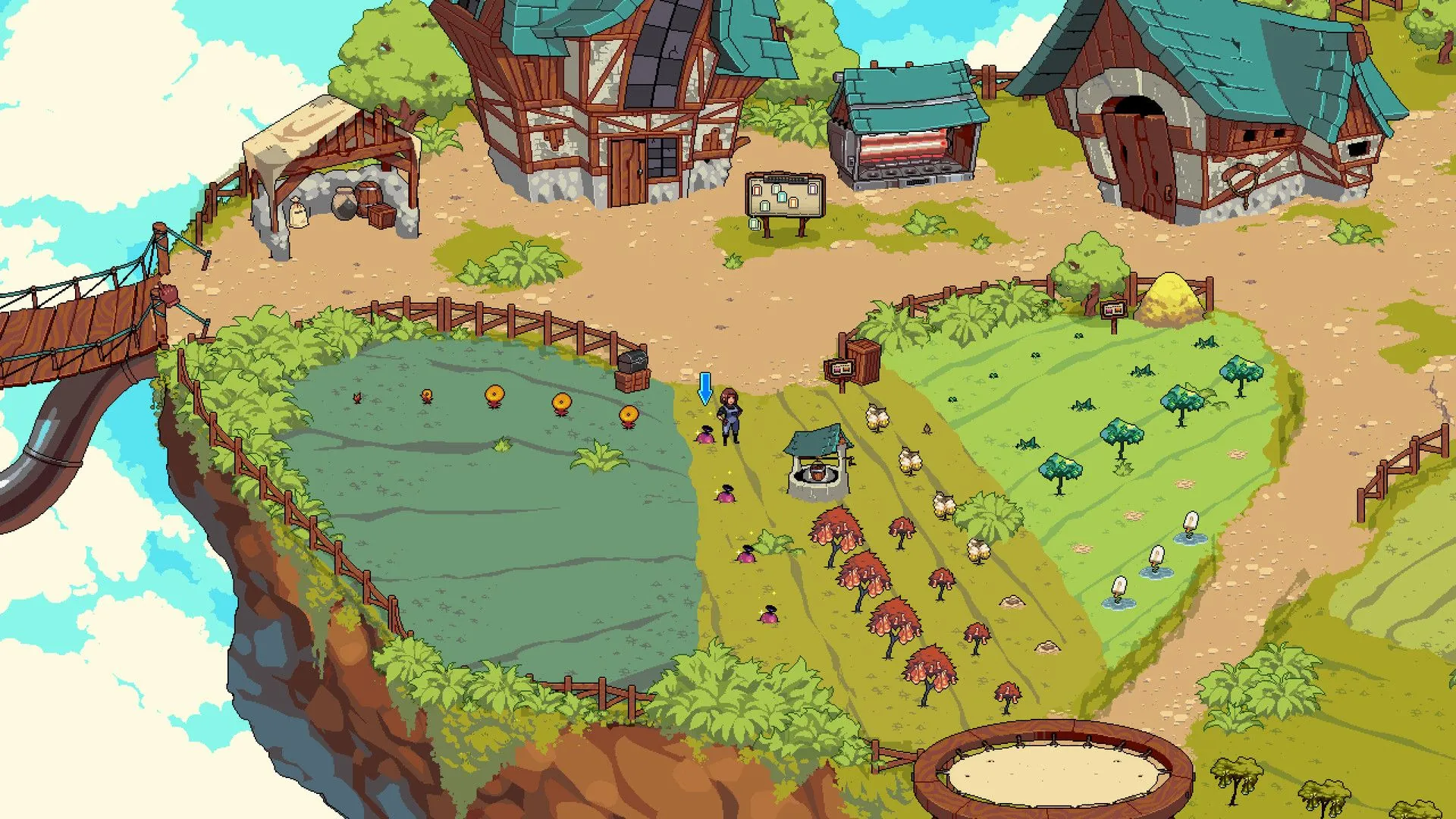
Jason, Coming of Age
Play Jason, Coming of Age
Jason, Coming of Age Screenshots












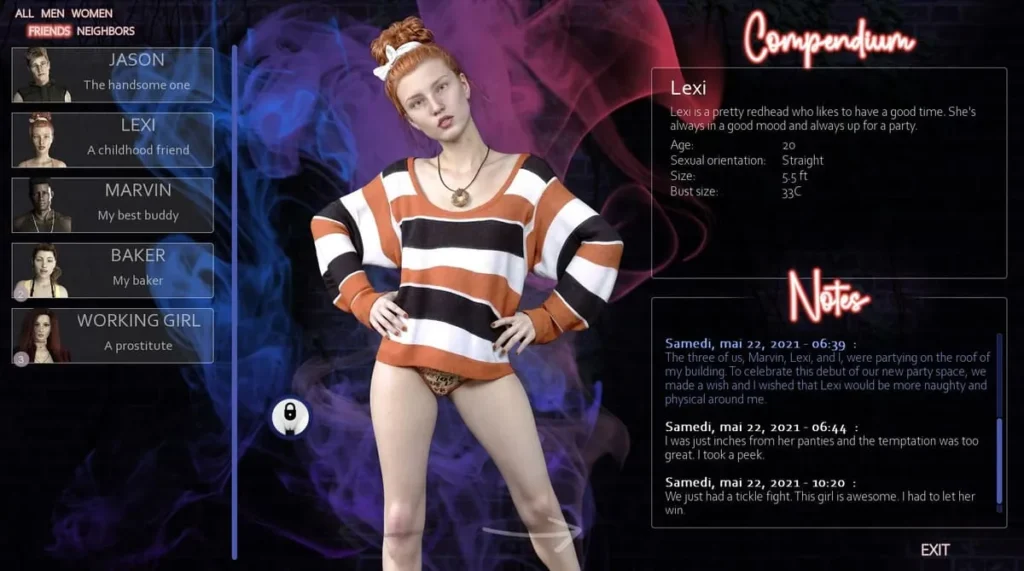






Jason, Coming of Age review
Exploring storytelling, character development, and what makes this interactive narrative stand out
Jason, Coming of Age stands out as a distinctive interactive visual novel that invites players into the life of Jason, a 25-year-old man navigating the complexities of adulthood. Unlike traditional games that balance gameplay with narrative, this experience prioritizes story-driven content, allowing players to explore introspective themes and character development. The game has garnered attention for its exceptional graphics and animation quality, setting new standards within its genre. Whether you’re curious about visual novels as a medium or specifically interested in what makes this title resonate with players, understanding its core appeal requires examining both its narrative structure and the unique experience it delivers.
Understanding Jason, Coming of Age: Gameplay and Narrative Structure
So, you’ve heard about Jason, Coming of Age, maybe seen some screenshots, and you’re wondering what the fuss is all about. 🧐 If you’re used to games where the primary goal is to jump, shoot, or build, stepping into a visual novel like this can feel… different. It’s not about reflexes; it’s about reflection. This chapter is your deep dive into the heart of the experience, breaking down exactly how this interactive narrative game works and why its approach to storytelling has captivated a dedicated audience. We’re going to peel back the layers on its story-driven gameplay mechanics, explore the profound character development in visual novels, and see how it crafts a uniquely poignant adult visual novel experience.
What Makes This Visual Novel Different From Traditional Games
Let’s be honest: when most people think of “video games,” they picture controllers, action bars, and skill trees. I was the same. My gaming history was built on epic battles and high scores. Then I tried my first serious visual novel, and it was like discovering a new genre of book that could talk back. Jason, Coming of Age sits firmly in this space, and understanding its core is key to appreciating it.
At its simplest, a visual novel is a digital, interactive story. You read—a lot. You make choices. You see those choices ripple through the narrative. There’s no platforming, no resource management in the traditional sense. The primary “gameplay loop” is reading and deciding. For Jason, Coming of Age, this means you are not playing as a hero in a fantasy world; you are navigating the intricate, often messy, reality of a young man named Jason. The stakes aren’t about saving the kingdom, but about saving a relationship, navigating a career crisis, or simply figuring out what you want from life. It’s an interactive narrative game that trades sword fights for emotional confrontations.
This brings us to a crucial distinction within the genre: the adult visual novel experience. This label often gets misunderstood. While it can include mature romantic or intimate elements, at its best, “adult” refers to thematic maturity. It’s about dealing with adult problems—financial stress, existential doubt, the complexity of long-term relationships, and the weight of personal history. Jason, Coming of Age leans heavily into this. It’s a coming-of-age story that happens after the teenage years, focusing on that tumultuous period of your late twenties or early thirties where you’re supposed to have it all figured out, but almost certainly don’t. The game doesn’t shy away from gritty, emotionally raw content, which is what makes its coming of age narrative themes so resonant for its target audience.
To really crystallize the difference, let’s look at how Jason, Coming of Age contrasts with more mainstream genres:
| Aspect | Traditional Action/RPG Game | Jason, Coming of Age (Visual Novel) |
|---|---|---|
| Primary Player Engagement | Twitch reflexes, strategic combat, exploration | Reading, contemplation, empathetic decision-making |
| Narrative Depth | Story often supports gameplay; can be skipped | Story IS the gameplay; narrative is the primary drive |
| Player Agency | Affects combat efficiency, character build, world state | Affects relationships, story branches, emotional outcomes |
| Pacing | Set by player action and game challenges | Set by the reader; inherently more introspective and slow-burn |
| End Goal | Victory, completion, mastery of systems | Understanding, emotional catharsis, witnessing a journey |
This table isn’t about saying one is better—it’s about highlighting a fundamentally different design philosophy. The “game” in Jason, Coming of Age is the act of understanding. Your skill isn’t measured in a high score, but in the depth of your connection to the characters and the nuance of the story you help unfold. 🎭
The Role of Story-Driven Content in Interactive Experiences
If the story is the engine, then the story-driven gameplay mechanics are the steering wheel. In many games, story is a reward for gameplay. You fight through a level, then you get a cutscene. Here, the process of uncovering the story is the gameplay. Every click to advance text, every dialogue choice, is an active part of the experience. This is the essence of text-based interactive storytelling.
So, how does Jason, Coming of Age make reading feel interactive and vital? It’s all about consequence and perspective.
- Meaningful Branching: Your choices aren’t just cosmetic. Deciding whether to be supportive or dismissive when a friend shares a problem, or choosing how to spend a rare free evening, can redirect Jason’s path in significant ways. These branches might lead to different romantic outcomes, alter the dynamics within his friend group, or even change his professional trajectory. It creates a powerful sense of ownership. You’re not just watching Jason’s life; you’re collaborating on it.
- Interiority as Gameplay: A huge part of the game occurs inside Jason’s head. We’re privy to his doubts, his memories, his unfiltered reactions. This turns reading into an act of empathy. You’re navigating his internal landscape, which is just as complex as any open world. Understanding his past trauma, his fears, and his hopes becomes a puzzle in itself—one solved with attention and emotional intelligence, not a key item.
- Pacing as a Narrative Tool: The game isn’t afraid of quiet moments. A long, descriptive passage about Jason sitting alone in his apartment, feeling the weight of silence, is as crucial as a heated argument. This pacing allows the coming of age narrative themes—loneliness, self-discovery, the fear of missed opportunities—to breathe and truly sink in. It’s a bold choice in an attention-driven world, and it’s what makes the climaxes so powerful.
I recall one particular playthrough where I chose a path focused on career ambition over personal connections. The game didn’t just show Jason getting a promotion; it spent time on the late nights, the strained phone calls with his partner, the growing emptiness behind his professional success. The “gameplay” was me, the player, sitting with that increasingly uncomfortable silence, realizing the cost of my choices long before the game explicitly stated it. That’s powerful, story-driven design. It doesn’t tell you a moral; it makes you live the consequences. 😮💨
Character Development and Player Agency
This is where Jason, Coming of Age truly shines and defines its legacy within character development in visual novels. In a traditional novel, character development is something you observe. In this interactive narrative game, it’s something you participate in.
Let’s start with Jason himself. He is not a blank slate. He arrives with a history, flaws, and a specific voice. Your agency isn’t about creating a character from scratch, but about guiding an existing, complex person through a pivotal chapter of his life. Will you encourage his more self-destructive tendencies, or push him toward healthier coping mechanisms? This approach leads to a more authentic and challenging form of character development. You’re not building a stat sheet; you’re influencing a personality.
The supporting cast is equally vital. These aren’t just love interests or quest givers; they are fully realized individuals with their own arcs that intersect with Jason’s. Your choices determine not only the nature of your relationship with them (friend, lover, rival) but also how their stories progress. Maybe your encouragement helps a friend finally leave a dead-end job, or your indifference causes a rift that never heals. You witness their growth (or stagnation) alongside Jason’s, making the world feel alive and interdependent.
“I’ve played a lot of visual novels, and often the art is… functional. But Jason, Coming of Age blew me away. The subtle facial expressions, the way a scene’s lighting shifts with the mood, the small environmental animations—it’s not just a backdrop. It feels lived-in. There’s a scene where it starts raining during a tense conversation, and the animation of the raindrops on the window combined with the character’s reflection… chills. It elevated the entire emotional moment and showed a level of polish you don’t always see.”
This player testimonial hits on a crucial point: the technical presentation is a silent partner in character development. The quality of the art, the character sprites, and especially the careful animation of expressions—a slight frown, averted eyes, a hesitant smile—communicate volumes beyond the text. This attention to visual detail deepens the adult visual novel experience, making the characters feel palpably real and their emotions tangible. 🎨
Finally, player agency here is often subtle and psychological. A major choice might be between two equally valid but difficult paths, with no clear “good” or “bad” option. Do you prioritize honesty even if it hurts, or comfort even if it’s a lie? The game excels at presenting these dilemmas without judgment, allowing you to explore different facets of Jason’s—and by extension, your own—value system. Replayability comes from the desire to see how other choices weave an entirely different tapestry of relationships and outcomes, offering new insights into the characters you thought you knew.
In the end, Jason, Coming of Age stands out because it trusts its audience. It trusts us to find engagement in introspection, to value emotional truth over escapist power fantasy, and to appreciate the slow, beautiful, and painful process of growing up. It’s a masterclass in text-based interactive storytelling, proving that the most compelling worlds to explore are often the landscapes of the human heart. 💖 By focusing relentlessly on narrative depth and authentic character development in visual novels, it offers a uniquely mature and resonant experience that stays with you long after you’ve seen the final credits roll.
Jason, Coming of Age represents a thoughtful approach to interactive storytelling, prioritizing narrative depth and character exploration over traditional gameplay mechanics. The game appeals to players who value introspective, text-driven experiences and appreciate high-quality visual presentation. Its success within the visual novel community demonstrates that there’s a dedicated audience for games that focus on meaningful storytelling and emotional character development. For those considering whether this title is right for them, the key question is whether you enjoy reading-based narratives and exploring complex character journeys. The game’s exceptional animation and graphics quality, combined with its commitment to compelling storytelling, make it a notable entry in its genre. If you’re interested in visual novels that prioritize narrative substance and artistic presentation, Jason, Coming of Age offers a distinctive experience worth exploring.