
Once in a Lifetime
Play Once in a Lifetime
Once in a Lifetime Screenshots



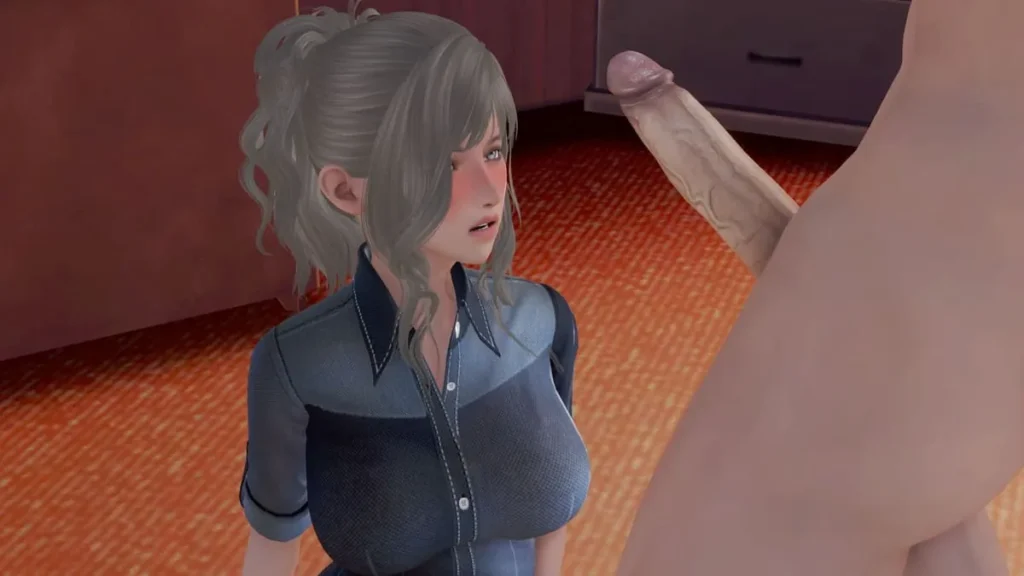



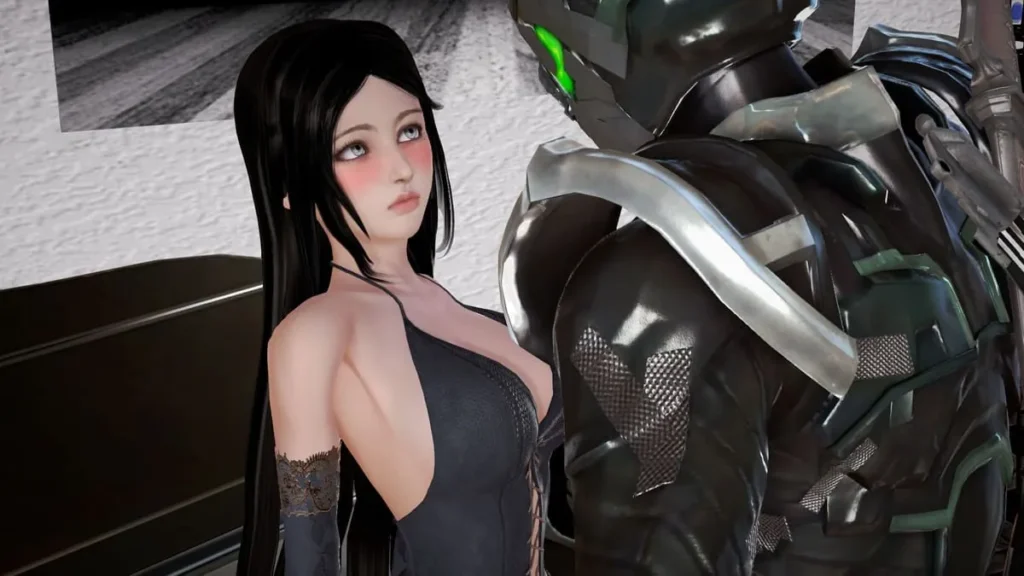

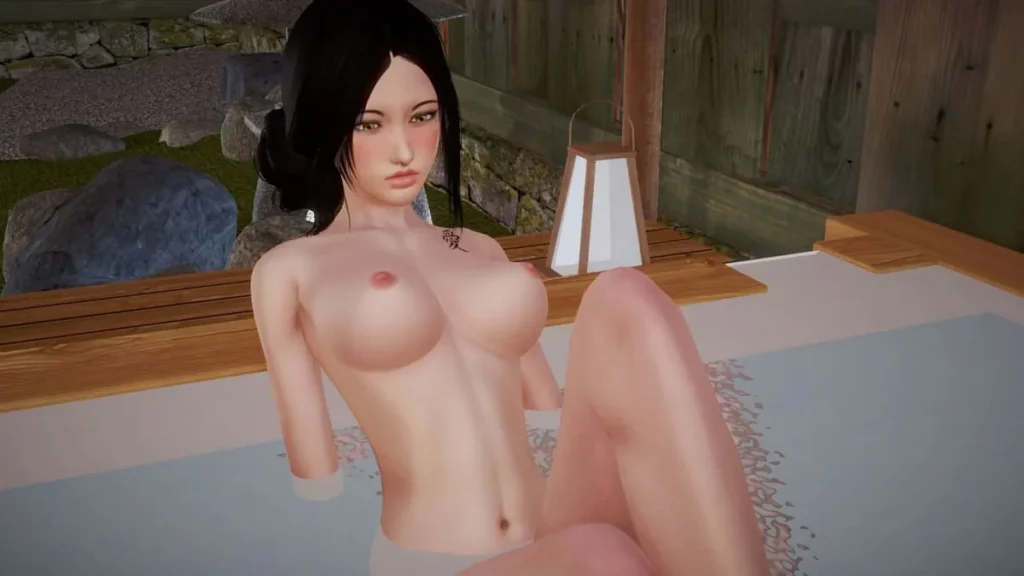

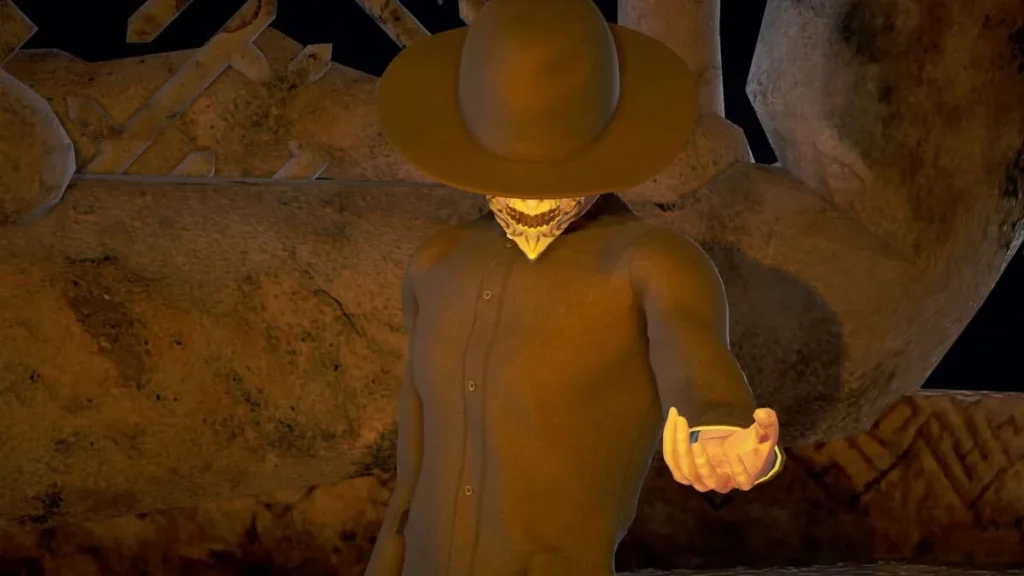


Once in a Lifetime review
Explore the story, gameplay mechanics, and features of this erotic interactive adventure
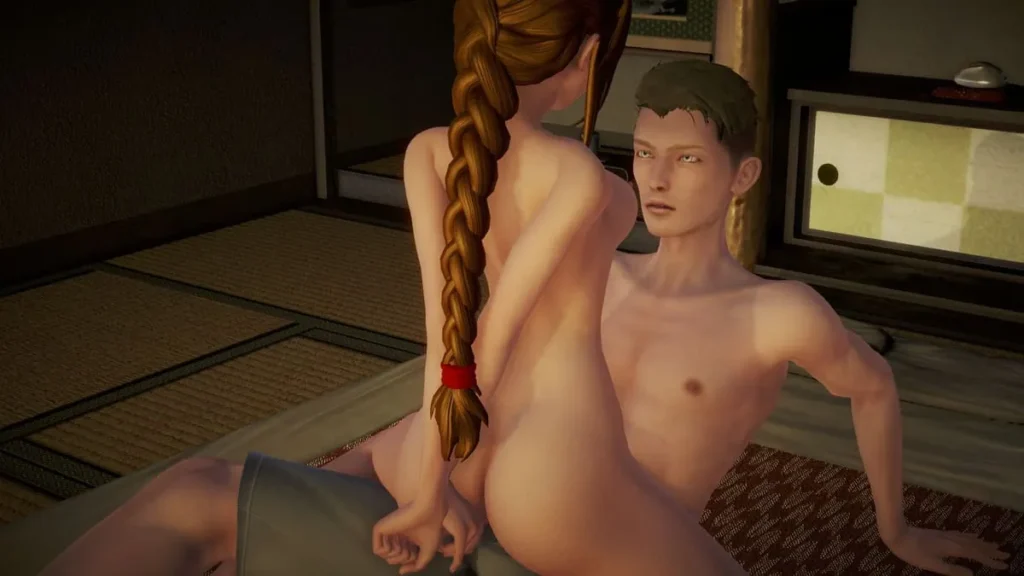
Once in a Lifetime is an adult interactive visual novel that combines mystery, romance, and mature content into a compelling narrative experience. Released in 2020, this game has gained attention for its intricate storytelling, character development, and extensive gameplay hours. Players assume the role of a young man in Mistbury, a seemingly ordinary town hiding dark secrets that will transform his destiny. With over 6,500 renders and 160 animations, the game offers a rich, immersive experience that blends conspiracy-driven plots with relationship-building mechanics. Whether you’re interested in the narrative depth or the interactive choice system, this guide covers everything you need to know about this unique adult gaming experience.
Understanding Once in a Lifetime: Story, Setting, and Core Gameplay
Ever found yourself clicking through a story, only to realize your choices didn’t really matter? 🙄 You pick the “brave” option, and the story plods on exactly as if you’d picked the “cowardly” one. It’s a letdown that makes the whole “interactive” part feel like a lie. Well, let me tell you about the game that completely changed my mind about what a story can be. Once in a Lifetime isn’t just another title on your hard drive; it’s a masterclass in how to make a player’s decisions the heartbeat of a narrative. This adult visual novel story throws you into the sleepy, weird town of Mistbury with a simple goal: survive your final year of high school. But you quickly learn that the town is hiding a dark, supernatural secret that could end the world, and every choice you make—from who to befriend to how to investigate—truly carves your unique path to the end.
What makes this Once in a Lifetime visual novel so special is its brutal commitment to consequence. It remembers everything. A flippant comment in Chapter 2 can come back to haunt you in Chapter 8. Choosing to trust one character might permanently lock you out of another’s storyline. It’s this intricate web of cause and effect, powered by a profound interactive choice system, that transforms a great story into a personal adventure. You’re not watching a mystery unfold; you’re living it, failing it, and sometimes miraculously solving it through a combination of wit, charm, and a bit of saved-game luck. 😅 Let’s pull back the curtain on the masterpiece that is Once in a Lifetime and explore how its story, choices, and mechanics work together to create an unforgettable experience.
The Mistbury Mystery: What Makes the Story Compelling?
Picture this: you’re the new kid in a town so boring, you’re convinced the biggest event of the year is the annual lawn bowling tournament. 🎳 That’s Mistbury. But beneath that dull surface simmers a deliciously bizarre Mistbury town mystery. From the very first day, things feel… off. There’s a strange, wealthy family in a mansion on the hill, rumors of a local cult wearing animal masks, and a general sense that the adults know something you don’t. The genius of this adult visual novel story is how it blends the utterly mundane—awkward high school parties, part-time job woes, family drama—with a genuinely gripping, world-ending conspiracy.
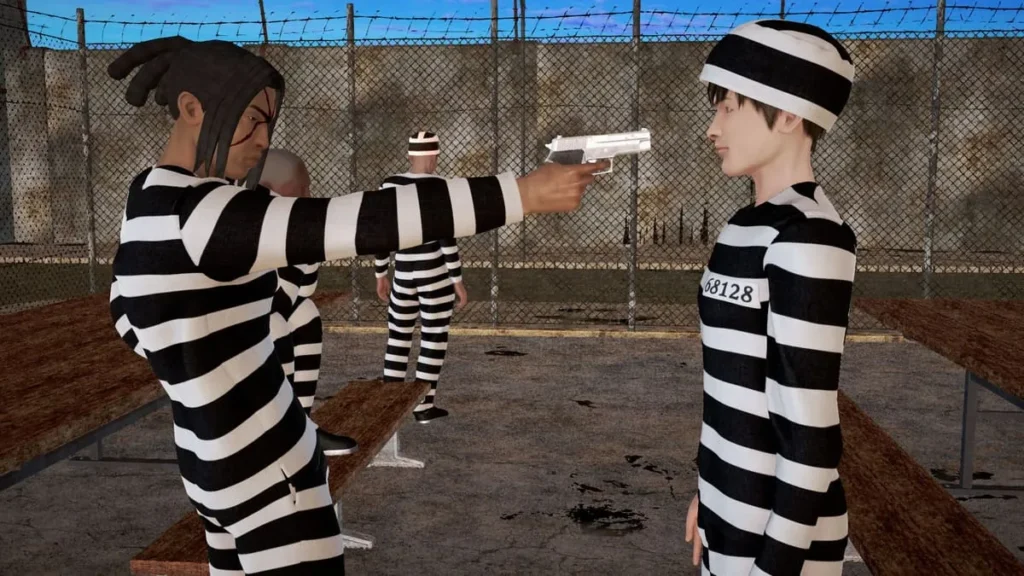
I remember my first playthrough. I was just trying to get through algebra and maybe score a date for the spring formal. But then a classmate goes missing under eerie circumstances, and you find a mysterious, cryptic note. Suddenly, you’re not just a student; you’re an amateur detective. The plot brilliantly escalates from high school drama to mansion exploration, from uncovering a local conspiracy to full-blown prison infiltration and cosmic, world-saving missions. The tone is a perfect cocktail—it’s laugh-out-loud funny one moment, with sharp, relatable humor, and then genuinely tense or heartfelt the next. This balance keeps you hooked, because you care about these characters and this weird little town they’re trying to protect.
At the center of it all is a cast of characters that feel refreshingly real. You have your loyal best friend, potential romantic interests with their own secrets and dreams, suspicious authority figures, and truly enigmatic antagonists. Your relationships with them are the engine of the story. Helping someone with a personal problem might grant you a crucial clue later. Standing them up for a movie date might mean they won’t answer your desperate phone call when you’re trapped in a cultist’s basement. 🤷♂️ The Mistbury town mystery isn’t just a backdrop; it’s a living entity that reacts to who you choose to be and who you choose to stand with.
Interactive Choices and Their Real Consequences
This is where Once in a Lifetime separates itself from the pack. Many games offer choices; this one delivers real consequences. Its interactive choice system is less like picking dialogue flavors and more like navigating a minefield with a moral compass that’s frequently spinning. There is no “good” or “evil” meter. Instead, you have a complex character affection system and a narrative logic that tracks your every move.
Here’s a personal insight: early on, I met a shy, bookish character. In a moment of trying to be the “cool, funny guy,” I chose a teasing, slightly mean-spirited joke from the dialogue options. The game didn’t flash a red “-5 Points” on screen. She just looked hurt, gave a weak smile, and the scene moved on. I thought nothing of it. Hours later, when I was in a dire situation and needed her specific expertise, she politely declined to help, referencing that earlier moment of me being “kind of a jerk.” I was floored. The game had remembered a throwaway line from what felt like ages ago, and it changed my entire available strategy. That’s the power of a true decision consequences game.
The branching narrative gameplay isn’t about finding a “golden path.” It’s about living with your decisions. Major choices can lead to entirely different story arcs, determining who lives, who dies, who trusts you, and ultimately, what kind of ending you unlock. To give you a practical idea, here’s a breakdown of how some key early decisions can send your story in wildly different directions:
| Decision Point | Your Choice | Major Consequence & Story Path |
|---|---|---|
| The First Investigation | Go to the suspicious mansion alone at night. | Unlocks the “Solo Sleuth” path: You discover critical evidence early but gain a reputation for recklessness, making certain characters harder to befriend. High-risk, high-reward. |
| The First Investigation | Convince a friend to come with you. | Unlocks the “Team Player” path: Safer exploration and immediate strengthening of that friendship bond, opening up their personal questline later. Slower but more stable. |
| Confronting a Bully | Use physical intimidation. | Unlocks the “Tough Guy” reputation: Gains immediate respect (fear) from some characters, but alienates others who see you as violent. May open brute-force solutions later. |
| Confronting a Bully | Use clever wit or public shaming. | Unlocks the “Silver Tongue” reputation: Gains admiration for intelligence, boosting affinity with scholarly characters. Unlocks more dialogue-based solutions to future conflicts. |
| Allocating Free Time | Spend the weekend working a part-time job. | Earns money: Crucial for purchasing specific items, info, or unlocking certain date options. However, you miss social events where relationship and plot development occurs. |
| Allocating Free Time | Hang out with a potential love interest. | Boosts their affection: Deepens the relationship, unlocking exclusive scenes, personal backstory, and a staunch ally for the endgame. Money remains tight. |
My actionable advice? Save often, and in different slots. Seriously. This isn’t a game you “win” on a blind first try. Part of the joy is seeing how different choices play out. The branching narrative gameplay encourages experimentation. Maybe in one playthrough, you romance the mysterious transfer student and uncover her ties to the conspiracy. In another, you befriend the local librarian and unlock a whole subplot about ancient texts that hold the key to saving the town. The world is layered, and your access to those layers is directly controlled by your actions.
Visual Novel Mechanics and How Decisions Shape Your Experience
So, how does all this choice-driven magic actually work under the hood? The mechanics of this Once in a Lifetime visual novel are elegantly designed to serve the story. At its core, it’s a classic visual novel: you read narrative text, see beautiful character art and backgrounds, and make choices at key junctures. But the systems governing those choices are what create the depth.
The most crucial system is the character affection system. Think of it as an invisible relationship score with every major character. It’s not just for romance; it measures trust, respect, and friendship. Making choices a character likes, spending time with them, and helping them with their problems will raise their affection. Ignoring them, insulting them, or acting against their values will lower it.
💡 Pro Tip: Pay excruciating attention to dialogue and context. A character might ask for “honesty,” but what they really want is compassionate honesty, not brutal honesty. The “right” choice is almost always what aligns with that specific character’s personality, not a universal good.
These affection points are gatekeepers. Having high affection with a character can unlock:
* Their exclusive personal story arc and romantic path. ❤️
* Crucial help, information, or items during pivotal story moments.
* Additional dialogue options that can defuse tense situations.
* Special endings where your relationship status is a key factor.
Conversely, if affection drops too low, characters may refuse to help you, reveal their secrets, or even become obstacles in your path. This makes the interactive choice system feel incredibly personal. You’re not just picking plot points; you’re nurturing (or neglecting) relationships that have tangible power within the narrative.
The branching narrative gameplay is also supported by flags and variables you never see. The game tracks everything: did you find a hidden item? Did you learn a specific skill? Did you promise to meet someone and then forget? These flags combine to create your unique story state. This leads to one of the most satisfying and terrifying aspects: delayed consequences. A decision in Episode 1 might only reveal its full impact in Episode 9. This demands that you think about your choices not in terms of immediate reward, but in terms of the person you want your protagonist to become and the alliances you want to build for the final showdown.
Here are some common questions players have about navigating these deep mechanics:
Q: How can I tell if a choice is affecting the affection system?
A: The game rarely tells you directly with pop-ups. You have to read the character’s reactions—their facial expression in the art, the tone of their response dialogue, and subsequent changes in how they interact with you. A positive shift might mean they share more personal info next time; a negative one might mean they’re curt and dismissive.
Q: What happens if I completely ruin my relationship with a main character?
A: You can absolutely “lock” yourself out of their content. Their personal storyline will halt, they may become unavailable for help during critical chapters, and any romantic possibility is gone. In some extreme narrative paths, a character with very low affection might even actively work against you. This isn’t a failure; it’s a valid, if tragic, branch of the branching narrative gameplay.
Q: Is it possible to max out affection with everyone in one playthrough?
A: Almost certainly not, and that’s by design. Time is a limited resource, and characters often have conflicting values. Choosing to side with one person’s ideology may inherently lower your standing with another. The game forces you to prioritize, making each playthrough a reflection of different values and desires.
Ultimately, playing Once in a Lifetime is an exercise in attentive storytelling. It rewards curiosity, empathy, and sometimes, bold risk-taking. Your journey through the Mistbury town mystery will be uniquely yours, shaped by a character affection system that remembers every kindness and slight, and driven by an interactive choice system with real, often surprising, teeth. It proves that an adult visual novel story can offer some of the most sophisticated and engaging branching narrative gameplay out there, making every decision feel truly, well, once in a lifetime.
Once in a Lifetime stands out as a sophisticated adult visual novel that prioritizes storytelling alongside mature content. The game’s intricate decision system, where choices carry real weight and consequences, creates a genuinely engaging experience that rewards careful attention to narrative details. With its compelling mystery plot, well-developed characters, and impressive visual presentation featuring thousands of renders and animations, the game offers substantial entertainment value for its target audience. Whether you’re drawn to the conspiracy-driven narrative, the character relationships, or the interactive nature of the experience, Once in a Lifetime delivers a complex, multi-layered adventure. The availability of helpful tools like the Causality mod demonstrates an active community committed to enhancing the gameplay experience. For players seeking a mature visual novel that balances humor, mystery, romance, and explicit content, Once in a Lifetime provides a unique and immersive journey through Mistbury’s dark secrets.