Our Red String
Play Our Red String
Our Red String Screenshots



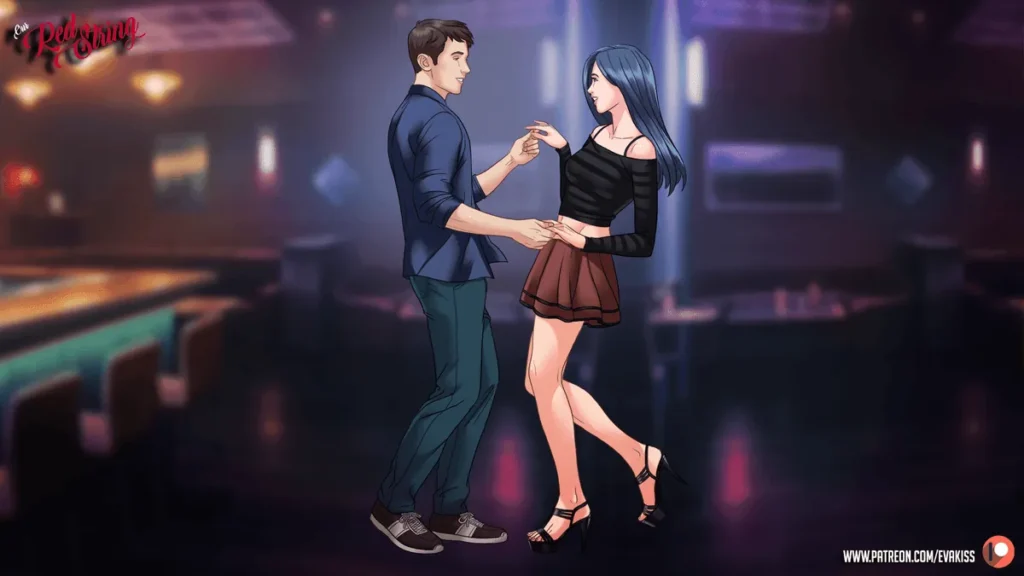








Our Red String review
Master the dual-protagonist narrative with strategic choices and relationship mechanics
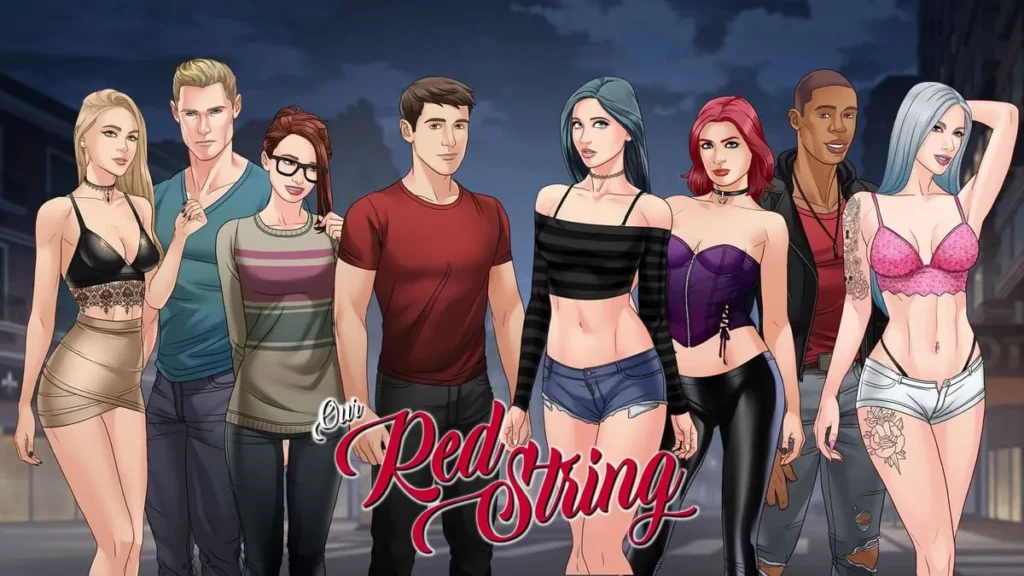
Our Red String stands out as a sophisticated dual-protagonist visual novel that prioritizes player agency through non-linear storytelling. This indie title follows two interconnected characters whose paths diverge and converge based on your decisions throughout multiple chapters. Unlike linear narratives, every choice you make—from seemingly minor dialogue options to significant relationship decisions—shapes character development, unlocks unique scenes, and determines which story branches you’ll experience. Whether you’re seeking a complete walkthrough, trying to understand the complex stat system, or aiming to unlock all gallery content, this guide covers everything you need to navigate the game’s intricate mechanics and maximize your playthrough.
Understanding Our Red String’s Core Mechanics
Ever felt like you’re living two lives at once? 🤔 That’s the magic of Our Red String, where you don’t just guide one character—you weave the fates of two, making every decision ripple across their interconnected worlds. If you’ve ever been overwhelmed by the layers of choice or wondered how to truly master the narrative, you’re in the right place. I’ve spent countless hours exploring every branch, and in this chapter, I’m breaking down the very heart of the experience: the core Our Red String mechanics. From the brilliant dual-protagonist gameplay to the delicate dance of relationship points, understanding these systems is your key to unlocking the story’s full potential. Let’s peel back the layers together! 🧩
How the Dual-Protagonist System Works
The moment I started my first playthrough, I knew this wasn’t a typical visual novel. 🎭 Instead of following a single hero, Our Red String hands you the lenses for two: Lena, an aspiring artist navigating a cutthroat city, and Ian, a musician chasing his dreams while grappling with his past. The genius of this dual protagonist gameplay isn’t just in the switching—it’s in the symphony. You might spend a scene with Lena making a tough career choice, only to jump to Ian later and see how that choice subtly altered his social landscape through a shared acquaintance. It’s like directing a film where the two leads don’t share many scenes, but their off-screen lives are constantly bumping into each other.
Here’s how it works in practice. The game typically lets you play through a chunk of one character’s story before offering a switch. But it’s not random; the transitions often happen at narrative crossroads. For instance, after Lena has a tense encounter with a gallery owner, the game might cut to Ian, who’s about to meet that very same owner’s nephew at a bar. This creates a delicious sense of dramatic irony—you know something the characters might not. The dual protagonist gameplay ensures that the world feels alive and connected. You’re not managing two isolated stories; you’re managing one complex, intertwined narrative web.
I learned this the hard way early on. 🥊 I was playing as Ian and chose to be brutally honest in a band argument, which lowered my relationship with a key bandmate. Later, when I switched to Lena, she met that same bandmate at a party, and he was visibly irritated, making her social climb much harder. My choices for Ian had directly gate-crashed Lena’s night! This interconnectivity is the soul of the game. Major decisions for one protagonist can set variables or “flags” that open or close doors for the other. It forces you to think like a narrative strategist, not just a moment-to-moment choice-picker. To master Our Red String mechanics, you must always consider the butterfly effect across both lives.
Stat Points and Character Development
Now, let’s talk about building your characters from the inside out. 💪 Every choice in Our Red String does more than advance the plot—it shapes your protagonists’ fundamental abilities through a nuanced stat system guide. Think of stats as your character’s muscle memory; the more you use a certain trait, the stronger and more readily available it becomes in future crises.
The system revolves around six core attributes. You earn points in these stats by making specific character development choices. Here’s the crucial part: you need to accumulate 3 stat points to increase that stat’s actual level by one. So, if your Wits is at Level 2, you’ll need to earn three separate “+1 Wits” bonuses from choices to bump it up to Level 3. This gradual progression makes every choice feel meaningful, as you’re actively investing in your character’s growth trajectory.
Let me give you a perfect, early-game example that stuck with me. 🎨 In one of Lena’s first scenes, she’s sketching in her apartment when her roommate enters. The game presents a classic character development choice: ‘Concentrate on drawing’ or ‘Stare at her body’. This isn’t just a flirty versus focused moment; it’s a foundational stat investment. Choosing to concentrate grants you +1 Wits, reinforcing her disciplined, artistic side. Choosing to stare grants +1 Lust, acknowledging her desires and attractions. Neither is “wrong,” but each steers her personality and the tools she’ll have later. A higher Wits level might let her solve a creative block later, while a higher Lust level could unlock more intimate, daring dialogue options. This is the essence of how to increase stat levels: through consistent, character-defining decisions.
To help you visualize, here’s a breakdown of all six stat categories and their roles. This is your cheat sheet for planning your build!
| Stat Category | Description | Affects Gameplay |
|---|---|---|
| Wits | Intelligence, creativity, and problem-solving acumen. | Solving puzzles, crafting clever lies, making astute artistic or business decisions. |
| Charisma | Social charm, persuasion, and likability. | Negotiating deals, winning arguments, schmoozing at parties, and gaining favors. |
| Athletics | Physical prowess, stamina, and coordination. | Success in physical challenges, escaping tricky situations, or enduring long nights. |
| Lust | Desire, sensual awareness, and comfort with intimacy. | Flirtatious dialogue, initiating romantic scenes, and understanding underlying attractions. |
| Confidence | Self-assurance, boldness, and personal resolve. | Standing up for yourself, taking career risks, and making decisive leadership calls. |
| Empathy | Emotional intelligence, compassion, and reading others. | Defusing conflicts, offering genuine comfort, and deepening platonic bonds. |
Your strategy should depend on the story you want to tell. In my “Artist Under Pressure” playthrough, I maxed Lena’s Wits and Charisma early, which allowed her to brilliantly pitch her portfolio and navigate office politics. But it left her Athletics low, and I paid for it when she couldn’t keep up during a stressful, physical escape sequence! 🏃♀️💨 That’s the beauty of this stat system guide; it creates authentic strengths and vulnerabilities. Remember, how to increase stat levels is a marathon, not a sprint. Look for choices that align with your long-term vision for Lena and Ian.
Relationship Tracking and Agenda Points
If stats define your characters internally, relationships define their world externally. 🌐 This is where Our Red String gets deliciously complex with its agenda points system and relationship points tracking. Every major character you meet—all 12 of them—has a hidden relationship score with both Lena and Ian, typically ranging from -10 (hostile) to +10 (devoted). But the game doesn’t just show you a number; it uses a brilliant metaphor called “Agenda Points” to represent your standing on someone’s personal priority list.
Think of it this way: if you have +5 Agenda Points with a powerful gallery owner, you’re firmly on her radar for good opportunities. If you have -3, you’re probably on her list of annoyances. This agenda points system is the engine behind most social and professional unlocks. For example, I once needed Lena’s relationship with a fellow artist to be above 5 to unlock a crucial scene where they collaborate on a mural. Below that threshold, the offer never came, and I missed a whole storyline branch!
The tracking is constant and often involves painful trade-offs. A single conversation can be a balancing act. Let me share a case study from Ian’s story. 🎸 At a party, Ian can intervene in an argument between two friends: Mike and Derek. The choices are:
* Side with Mike: Gain +1 Relationship with Mike, but -1 with Derek.
* Side with Derek: Gain +1 Relationship with Derek, but -1 with Mike.
* Try to mediate: Requires Empathy Level 3. If successful, gain +1 with both. If failed, lose -1 with both.
This is relationship points tracking in action. You’re not just making friends; you’re managing a web of social capital. These points are variables that act as gates. Want Ian to join Mike’s lucrative band tour? You might need a relationship of 7 or higher. Let that score drop by constantly favoring Derek, and that door slams shut. The game is excellent at forcing you to choose who matters most in your protagonists’ journeys.
The system extends to flags for major decisions. These are binary markers (true/false) that remember your big moral or plot choices. For instance, if Lena decides to expose a rival’s plagiarism (a major flag set to “true”), that rival will become a persistent antagonist, altering available side stories for both characters. This layered approach—combining granular relationship points with major decision flags—creates a staggering number of narrative permutations. To master the agenda points system, keep a mental (or actual!) note of key thresholds and which characters are pivotal to your current goals. Don’t spread yourself too thin; sometimes, deepening a few key bonds is better than trying to please everyone.
Understanding these core Our Red String mechanics—the dance between two lives, the strategic build of stats, and the careful cultivation of relationships—transforms you from a passive reader into an active architect of the story. With this foundation, you’re ready to make choices that aren’t just reactive, but prophetic. Happy weaving! ✨
Our Red String delivers a compelling experience through its intricate mechanics and meaningful player choices. By understanding the stat system, relationship tracking, and decision consequences, you can craft a personalized narrative that reflects your preferred playstyle. Whether you’re pursuing specific character relationships, unlocking all gallery content, or exploring different story branches, the game rewards careful planning and strategic decision-making. The non-linear structure ensures that multiple playthroughs reveal new content and alternative paths, making it a rich experience for players who enjoy narrative-driven games with substantial player agency. Take time to experiment with different choices, track your relationship values, and don’t hesitate to restart chapters if you want to explore alternative branches—the game’s design encourages this kind of exploration and discovery.