
Stranded in Space
Play Stranded in Space
Stranded in Space Screenshots

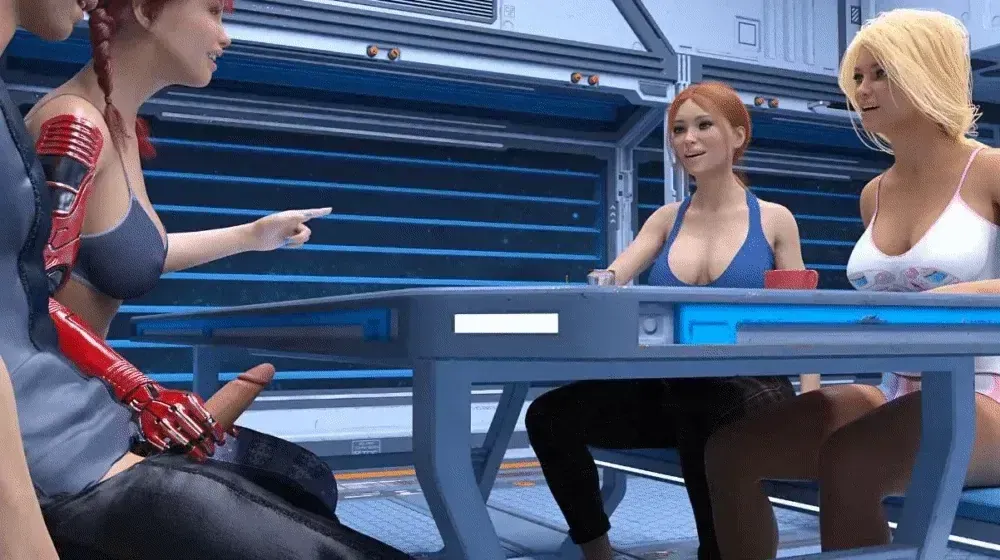










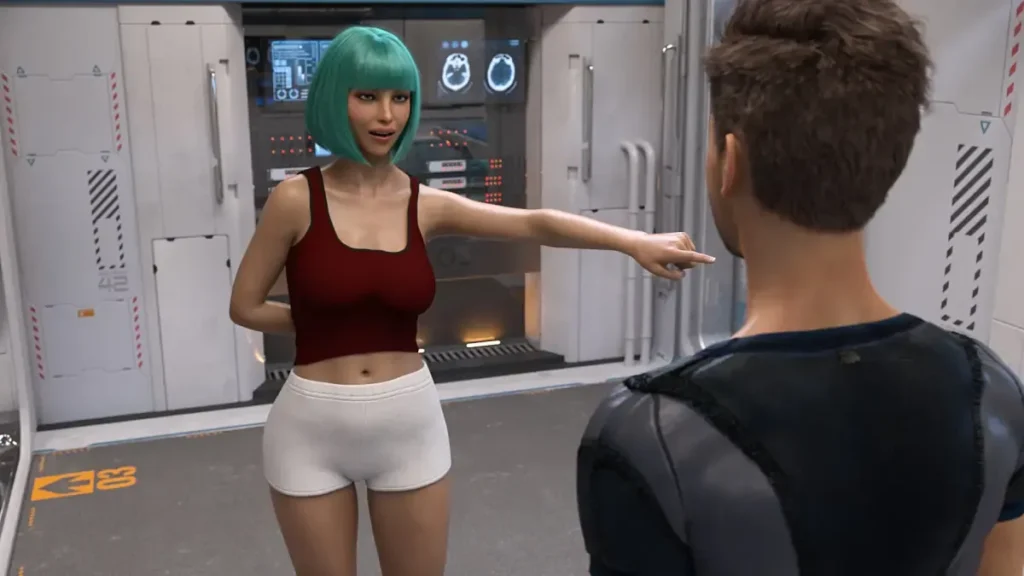

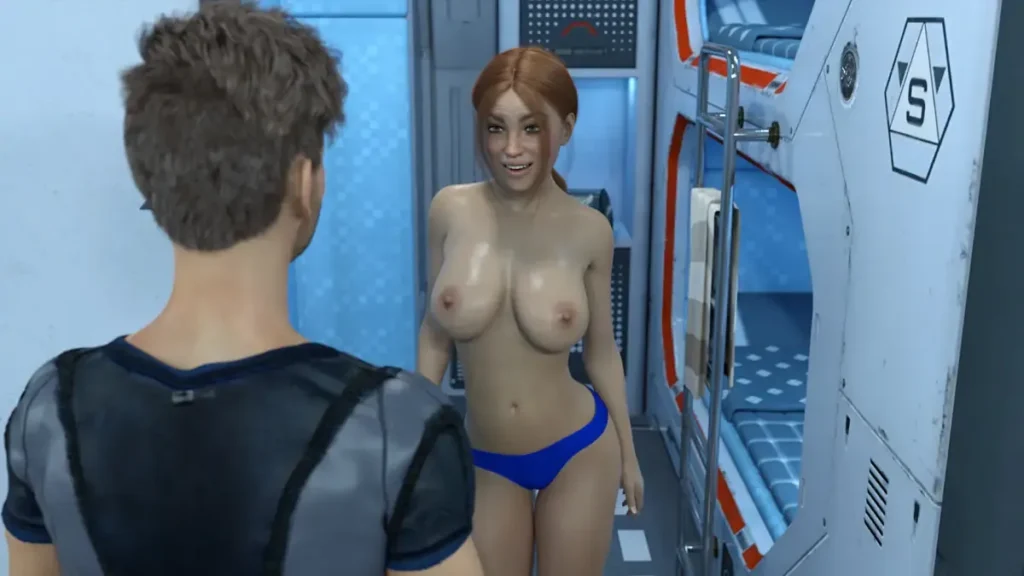
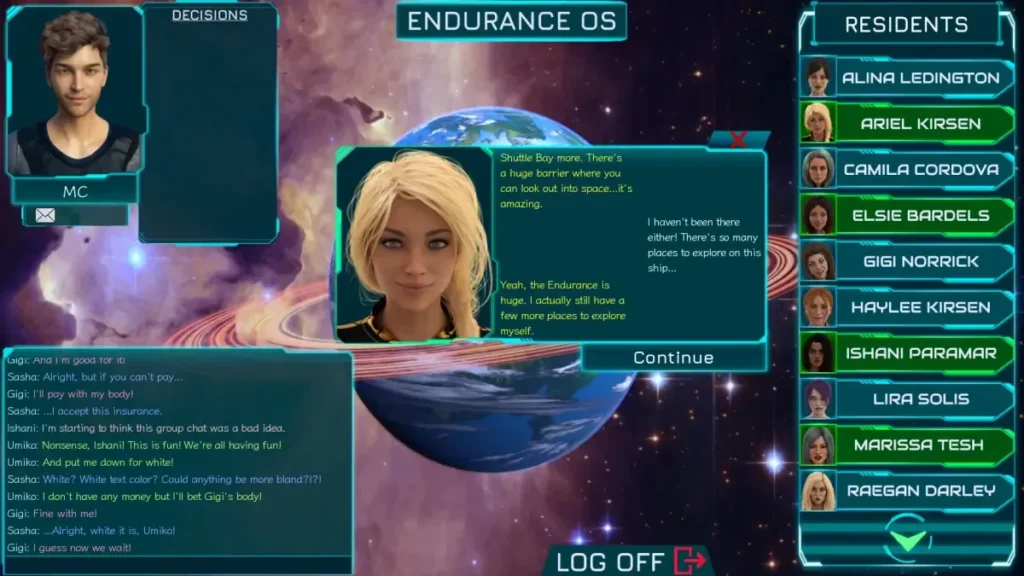

Stranded in Space review
Explore Sci-Fi Adventures and Intimate Encounters in This Captivating Title
Imagine waking up stranded on a distant spaceship, surrounded by alluring companions ready for steamy interactions—that’s the thrill of Stranded in Space. This adult game blends sci-fi survival with intimate encounters, keeping players hooked for hours. I’ve spent countless evenings diving into its narrative, laughing at the cheeky dialogue and savoring every romantic twist. Whether you’re new to the genre or a veteran gamer, this guide uncovers everything from core mechanics to hidden scenes. Get ready to blast off into a world where exploration meets passion, all optimized for maximum immersion.
What Makes Stranded in Space a Must-Play Sci-Fi Adventure?
I still remember the first time I booted up Stranded in Space. 🚀 I was expecting a certain kind of experience, but what I got was a masterclass in turning a simple premise into something utterly captivating. The initial silence of the ship, the quiet hum of systems, and the genuine feeling of being alone—it hooked me immediately. That isolation, however, quickly transforms into excitement as you realize you’re not truly alone. This sci-fi adult game Stranded in Space excels at making you feel both stranded and strangely at home, all within the first hour. If you’re looking for a Stranded in Space review that cuts to the core of why it’s special, you’ve come to the right place. Let’s dive in.
How Does the Storyline Hook You from Day One?
The Stranded in Space story is deceptively simple, and that’s its greatest strength. You play as the sole survivor of a deep-space transport incident, waking up on a derelict ship with only an AI and a handful of other survivors in cryo-sleep for company. The goal? Survive, repair the ship, and maybe not die of loneliness in the vast, empty cosmos. 🌌
But this isn’t just a survival simulator. The genius of the Stranded in Space gameplay is how it weaves narrative progression into your daily routine. Each “day” (a cycle of activities on the ship) presents opportunities to interact with the characters you gradually awaken. The story unfolds through these seemingly small moments—a shared meal in the mess hall, a tense repair job in engineering, or a quiet moment gazing at a starfield.
I recall my “day three” vividly. I’d just revived Umiko, the ship’s engineer. Instead of a grand, plot-heavy info dump, the story advanced through her frustration with a broken filter system and my clumsy attempts to help. We talked, we (I) fumbled with tools, and we shared a laugh when I accidentally triggered a minor steam vent. It was a simple event, but it felt real. It built a connection. This is the magic of the Stranded in Space story: it’s a slow-burn narrative of building relationships and finding purpose, making each new scene and discovery feel earned and meaningful.
Who Are the Memorable Companions Driving the Narrative?
The heart and soul of this adventure are, without question, the Stranded in Space companions. These aren’t just static characters waiting for your input; they have distinct personalities, histories, and emotional rhythms that you learn through consistent interaction. Unlocking new scenes and deepening your bonds is the primary driver of the Stranded in Space gameplay loop.
Here’s a quick breakdown of some key crew members you’ll bond with:
| Companion | Role & Personality | Interaction Style |
|---|---|---|
| Umiko | The brilliant, no-nonsense Chief Engineer. Pragmatic and focused, but hides a wry sense of humor and a deeply caring nature beneath the grease and jargon. | Bond through helping with ship repairs. Her trust is earned through competence and shared quiet moments after a hard day’s work. |
| Kara | The ship’s Medical Officer. Empathetic and observant, she carries the emotional weight of the crew’s well-being. Her path is about learning to lower her professional walls. | Connect through conversations about morale and past lives. She values honesty and emotional openness above all else. |
| Zoya | A former security officer with a mysterious past. Stoic and highly capable, but wrestling with guilt and a need for redemption. | Engage through physical training and security tasks. Her relationship develops through mutual respect and proven reliability in tense situations. |
My personal journey with Umiko was a highlight. Moving from her seeing me as a clumsy captain to a trusted partner was incredibly rewarding. The game’s writing gives each companion authentic voices and growth arcs that tie directly into the main plot of saving the ship.
To get the most out of your relationships, keep these tips in mind:
* Talk Every Day: Even a simple greeting can sometimes trigger new dialogue branches.
* Mix Up Activities: Don’t just do the same task with a companion. Invite them to different parts of the ship.
* Pay Attention to Mood: Characters have good and bad days. Sometimes, giving them space is the best option.
* Explore Thoroughly: Finding personal items in the ship can unlock special companion-focused scenes.
* Save Before Big Choices: Key dialogue options can significantly alter the direction of your relationship.
Why Do Players Keep Coming Back for More Hours of Play?
When people ask “how long is Stranded in Space?”, the answer is wonderfully complex. A focused playthrough to see one character’s main story arc might take you a decent chunk of time. But that’s just the opening act. The true Stranded in Space gameplay depth is in its endless replayability. 🕹️
Once you complete a main narrative path, the game opens up into a free-roam mode where the ship is your sandbox. The core daily cycle remains—check the ship’s systems, manage resources—but now it’s layered with the pursuit of unlocking every last scene with your chosen companion (or starting over with a new one!). The game’s structure of checking the ship’s central laptop for new available events becomes a delightful daily ritual. You’ll find yourself thinking, “Just one more day to see if that new interaction unlocks…”
This design is brilliantly addictive. It turns the experience from a linear story into a living, breathing world where relationships continue to grow. The writing deserves special praise for its humorous, self-aware tone. It never takes itself too seriously, often breaking the fourth wall with a wink. One character might dryly comment on the convenience of the ship’s layout for “social encounters,” which always got a chuckle out of me. This lightness balances the sci-fi survival tension perfectly.
My practical advice? Don’t rush. Pace your play sessions. Savor a day or two in the game per real-life sitting. Let the routine sink in. This makes the narrative beats and relationship milestones hit much harder. It transforms the game from a content consumption race into a genuine experience of shared isolation and connection.
“I thought I was done after the credits rolled. Then I booted it up ‘just to check’ the next day’s events. That was two months ago. The daily cycle of life on that ship is weirdly comforting.” – A veteran player’s testimonial.
So, what’s the ultimate tip from this Stranded in Space review? Start on Easy Mode. It minimizes the survival management stress and lets you fully immerse yourself in the rich Stranded in Space story and the nuances of your companions. This is a game about moments, conversations, and the stories you build together against the backdrop of the stars. Give it that space to shine, and you’ll find one of the most engaging and memorable adventures the genre has to offer.
Diving into Stranded in Space transformed my gaming nights into epic sci-fi escapades filled with laughter, strategy, and heartfelt connections. From the witty dialogue to those rewarding companion moments, it’s a title that delivers endless value. My advice? Grab it now, carve out some uninterrupted time, and let the adventure unfold. You’ll emerge satisfied, already planning your next playthrough. Ready to get stranded? Your spaceship awaits—launch today and make every day count.