
Play Sylphine
Sylphine Screenshots















Sylphine review
Explore the sandbox adventure that blends interactive storytelling with meaningful player choices
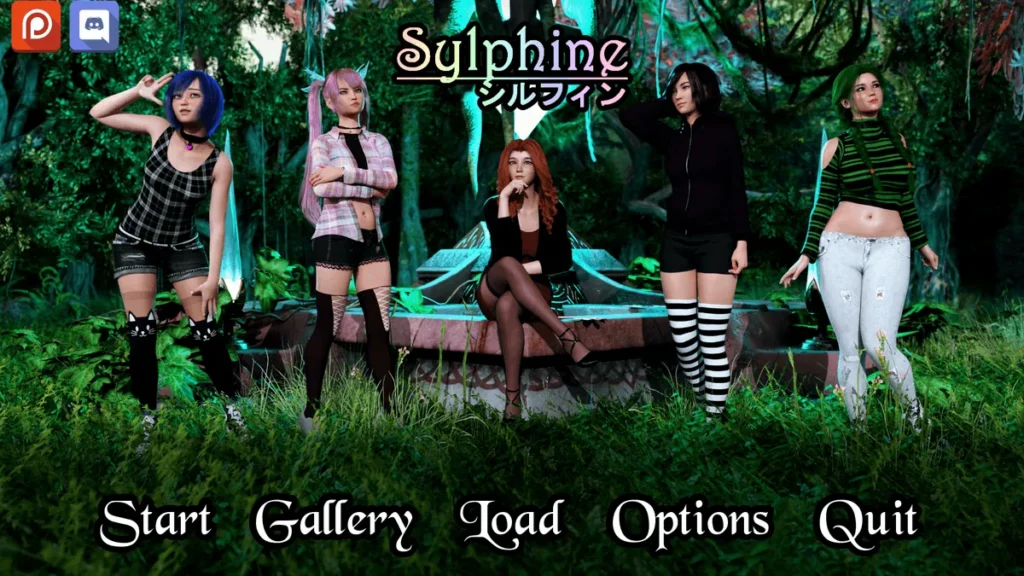
Sylphine stands out as a distinctive sandbox visual novel that seamlessly blends interactive storytelling with meaningful player choices. This immersive experience combines adult content, drama, and comedy into a living, breathing world where your decisions genuinely shape the narrative. The game follows your character as he navigates life with Alex, a compassionate social worker, and four unique girls—each with their own personalities and story arcs. Whether you’re new to visual novels or a seasoned player, understanding Sylphine’s core mechanics, character dynamics, and branching storylines will help you maximize your gaming experience and discover that nothing in this world is quite as it seems.
Understanding Sylphine’s Core Gameplay Mechanics
Ever feel like you’re just along for the ride in a story, watching events unfold without any real say? 🙄 That was my biggest gripe with so many narrative games—until I booted up Sylphine. From the first moment, it was clear this was different. This wasn’t about watching a tale; it was about living one, where every whispered word and every silent glance I chose actively wove the narrative tapestry. The magic of Sylphine gameplay mechanics lies in how they dissolve the line between playing a game and living a story. It’s a sandbox where your personality is the ultimate tool, and understanding its core systems is the key to unlocking an experience that feels uniquely, profoundly yours.
Let’s pull back the curtain on what makes this world tick. 🎭
How the Choice and Consequence System Works
At the heart of Sylphine lies a choice and consequence system that is anything but simple. Forget binary “good vs. evil” sliders or dialogue options that are just differently worded paths to the same outcome. Here, decisions are nuanced, emotionally charged, and deeply reflective of character. The game’s genius is in presenting you with dilemmas that don’t have a “correct” answer, only your answer.
I learned this the hard way early on. Faced with a tense standoff between two factions, I had to decide who to side with. One leader was honorable but rigid; the other was pragmatic but morally questionable. I chose the honorable path, feeling pretty virtuous about it. Weeks later, in-game, that decision came back to haunt me. My rigid ally’s principles prevented a crucial, underhanded deal that could have saved lives, leading to a tragic outcome I never saw coming. The game didn’t punish me; it remembered. It showed me the real-world weight of idealism. This is the essence of visual novel branching storylines in Sylphine—choices aren’t checkpoints, they are seeds that grow into entire, sometimes hidden, narrative forests.
The system operates on several levels:
* Immediate Reactions: Characters will comment on your decisions in the moment, changing the tone of the scene.
* Branch Lock/Unlock: Major decisions can close off entire story arcs or, conversely, unveil secret quests and locations only available if you made a specific choice hours earlier.
* Long-Term Narrative Ripple: Seemingly minor actions, like picking up a discarded heirloom or showing kindness to a minor NPC, can be referenced chapters later, opening up new dialogue or solutions.
The game’s engine is meticulously tracking your journey. It remembers who you helped, what you stole, which secrets you whispered, and which you shouted. This creates a unique narrative tapestry for every player. My story of a diplomatic, if slightly manipulative, peacemaker will be radically different from your tale of a fiery revolutionary. The choice and consequence system ensures that your playthrough is a fingerprint—utterly unique.
To give you a concrete idea of how this plays out, let’s look at how a single conversation can send shockwaves through your game.
| Your Dialogue Choice | Immediate Character Affinity Shift | Potential Long-Term Story Outcome |
|---|---|---|
| “I trust your judgment. What do you think we should do?” (Deferential) | +5 Respect from Aris (the strategist); -2 Interest from Kaelen (who values boldness) | Unlocks Aris’s personal “Council of War” side-quest line later. Kaelen may be less likely to support you in a future leadership challenge. |
| “We strike now, decisively. No more waiting.” (Aggressive) | +7 Favor from Kaelen; -3 Trust from Aris | Triggers an immediate combat sequence. May bypass a stealth mission branch entirely, leading to different rewards and enemy placements. |
| “There has to be another way. Let me try to talk to them.” (Diplomatic) | +3 Rapport with both; opens a special Persuasion skill check | If successful, unlocks a hidden “Third Path” narrative where a former enemy becomes a reluctant ally, providing unique information in the final act. |
Mastering the Relationship and Affinity Framework
If the choice system is the brain of Sylphine, then the character affinity system is its beating heart. 🫀 This isn’t about simply picking “romance” options until a heart icon fills up. Every major character has a complex, hidden set of emotional meters tracking their feelings toward you—metrics like Trust, Respect, Fear, Amusement, and Romantic Interest. These aren’t visible to you as numbers (which is brilliant), but are instead communicated through subtle changes in dialogue, body language, and how characters act when you’re around.
The real magic of Sylphine dialogue choices impact is that there’s no universal “right” thing to say. Your wit is your greatest asset or your biggest liability, depending on who’s listening. Early in my playthrough, I tried a sarcastic remark to lighten the mood after a grim discovery. The roguish inventor, Lyra, snorted with laughter, and I saw our connection deepen instantly. 🎉 Emboldened, I used the same brand of humor minutes later with the solemn guildmaster, Voran. The temperature in the room dropped about twenty degrees. ❄️ He didn’t yell or end the conversation; he simply became more formal, more distant, and a future request for his guild’s resources was quietly denied. The game had perfectly simulated how personality clashes work in real life.
This is the core of relationship mechanics visual novel enthusiasts dream about. How to build character relationships Sylphine isn’t a puzzle to be solved, but a dance to be learned. You must observe, listen, and respond authentically.
- Listening is Key: Pay attention to what characters value. Does they mention family often? Prioritize loyalty. Do they talk about freedom? Support their independence.
- Consistency Matters: Swinging wildly between personalities confuses characters and can lower Trust. They react to who they perceive you to be.
- Actions Speak Louder: While dialogue is primary, your decisions in quests—who you save, what you prioritize—have massive effects on affinity. Choosing to recover a character’s lost memento can do more for your bond than a dozen perfect conversation choices.
Mastering this system means the story literally reshapes itself around your friendships and rivalries. A character with high Trust might confess a secret that changes your understanding of the plot. One with high Romantic Interest might risk their life for you in a crucial moment, altering a story beat entirely. The character affinity system ensures that the people in this world feel alive, with their own tastes, pet peeves, and emotional memories of everything you’ve ever said to them.
Navigating Skill Checks and Character Development
The final pillar that elevates Sylphine gameplay mechanics from great to legendary is how it integrates your character’s growth directly into the narrative flow. This isn’t about grinding combat to beat a boss; it’s about developing your persona to talk your way past the boss, or sneak around them, or convince their lieutenant to mutiny. 🧠 Your stats—like Persuasion, Insight, Larceny, or Arcane Knowledge—are narrative tools.
These skill checks are woven seamlessly into dialogue trees and environmental interactions. You won’t see a dice roll, but you might see a dialogue option glow faintly blue, indicating your high Persuasion allows you to attempt a more convincing argument. Or, when examining a locked door, your menu might have a new “Pick Lock” option appear because you’ve invested points in Larceny. These checks provide alternative solutions to problems, creating meaningful visual novel branching storylines based on your personal capabilities.
Let me share a scenario from my second playthrough that demonstrates how this all cascades. I was investigating a corrupt official. My first time through, with high Persuasion, I smooth-talked my way into his office and found incriminating letters.
This time, I had focused on “Streetwise” and “Empathy.” The choice and consequence system presented the same starting point, but my skills changed the path:
1. At the official’s mansion, a Streetwise check allowed me to notice a nervous kitchen maid being harassed by a guard—an interaction I completely missed before.
2. Using an Empathy-driven dialogue choice, I comforted her. This built enough rapport that she later trusted me.
3. Because of that relationship mechanics visual novel moment, she snuck me through the servant’s quarters, bypassing the front door entirely.
4. This new path led me not to the office, but to the official’s private bedroom, where I found a hidden journal detailing far worse crimes than the letters ever showed.
5. This new evidence (Sylphine dialogue choices impact) then gave me a unique, high-stakes blackmail option when confronting him, leading to a resolution where I exposed him publicly without a fight—an outcome that permanently altered the political landscape of that district.
One decision tree, multiple entrances, wildly different endings. That’s the power of interlocking Sylphine gameplay mechanics.
To thrive, think of your skill points as defining your character’s voice in the world:
* Invest with Roleplay in Mind: Are you a silver-tongued diplomat? A shrewd spy? A scholarly mage? Put points into the stats that fit your self-made story.
* Embrace Failure: Sometimes, failing a skill check leads to a more interesting, hilarious, or dramatic narrative branch than succeeding would have. The story always moves forward.
* Synergize with Affinity: A character who Respects you might be more susceptible to your Persuasion attempts. A character who Fears you might crumble under an Intimidation check you wouldn’t otherwise have.
In Sylphine, gameplay is storytelling, and storytelling is gameplay. The choice and consequence system, the deep character affinity system, and the organic skill-based progression aren’t separate features—they are threads in the same rich tapestry. By understanding how your words shape bonds, how your skills open doors, and how every choice echoes into the future, you stop being a player and start being a co-author. Your unique journey, defined by the relationships you nurture and the person you choose to become, is waiting. What story will you tell? ✨
Sylphine delivers a compelling experience that rewards thoughtful engagement with its intricate systems. The seamless integration of choice and consequence, character affinity, and skill-based progression creates a world where your decisions genuinely matter. From the moment you step into the protagonist’s shoes and begin building relationships with Alex and the four girls, you’ll discover that Sylphine’s true strength lies in how it makes every interaction feel consequential. Whether you’re drawn to the drama, comedy, or the mysterious world lurking beneath the surface, this sandbox visual novel offers multiple paths to explore and countless reasons to return for additional playthroughs. Dive into Sylphine and experience a narrative adventure where you become the true author of your story.