The Fate of Irnia
Play The Fate of Irnia
The Fate of Irnia Screenshots
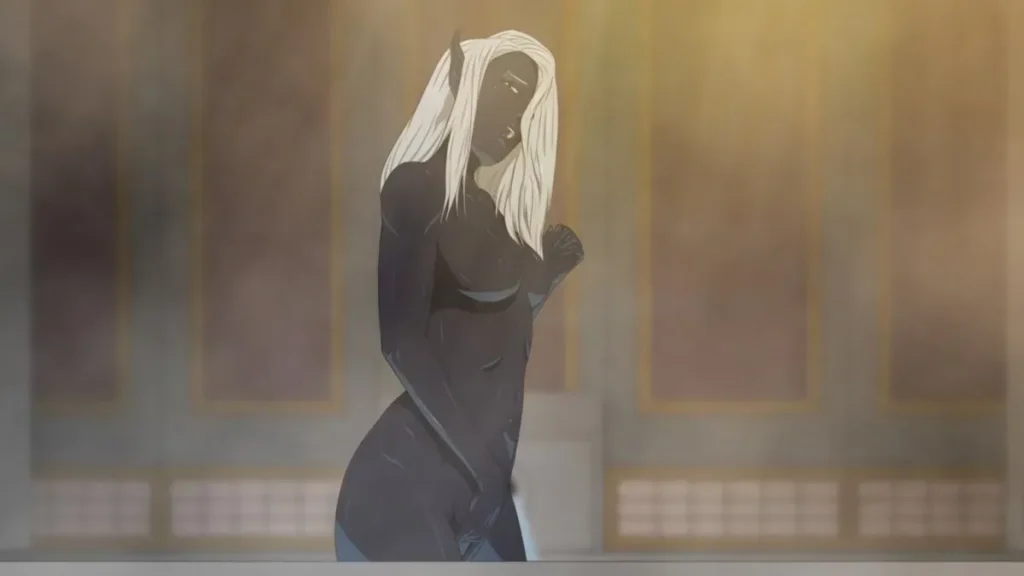
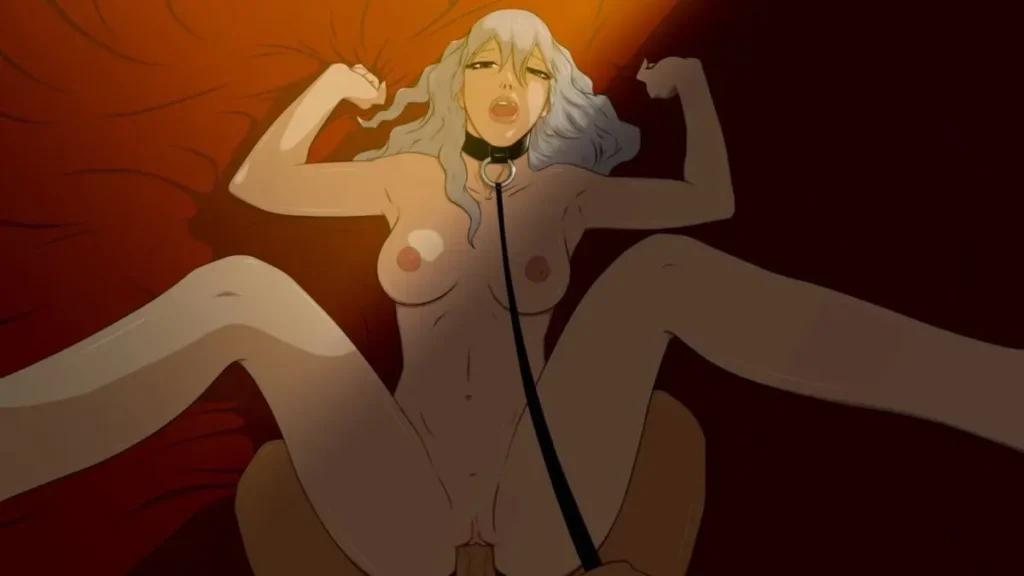
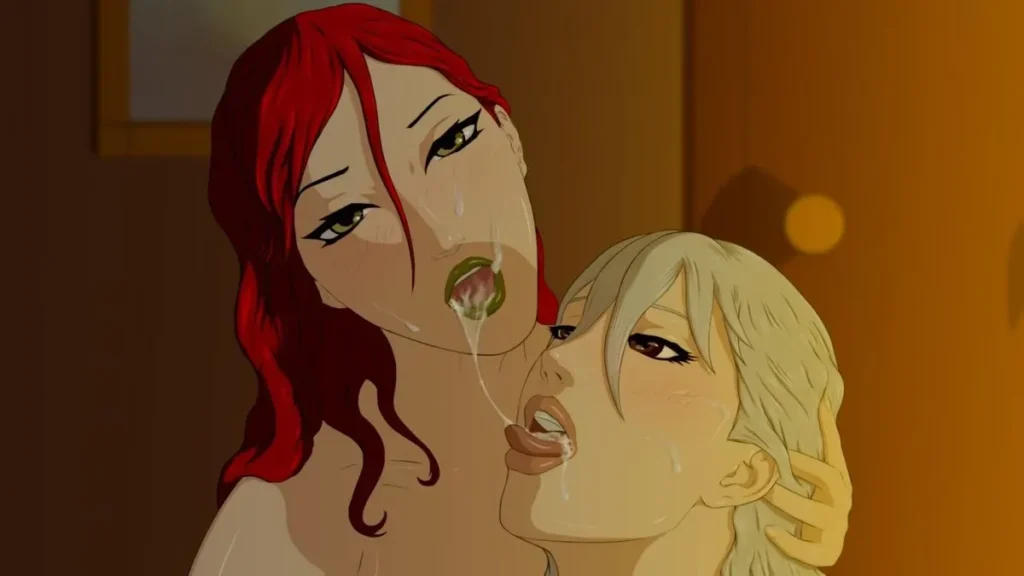
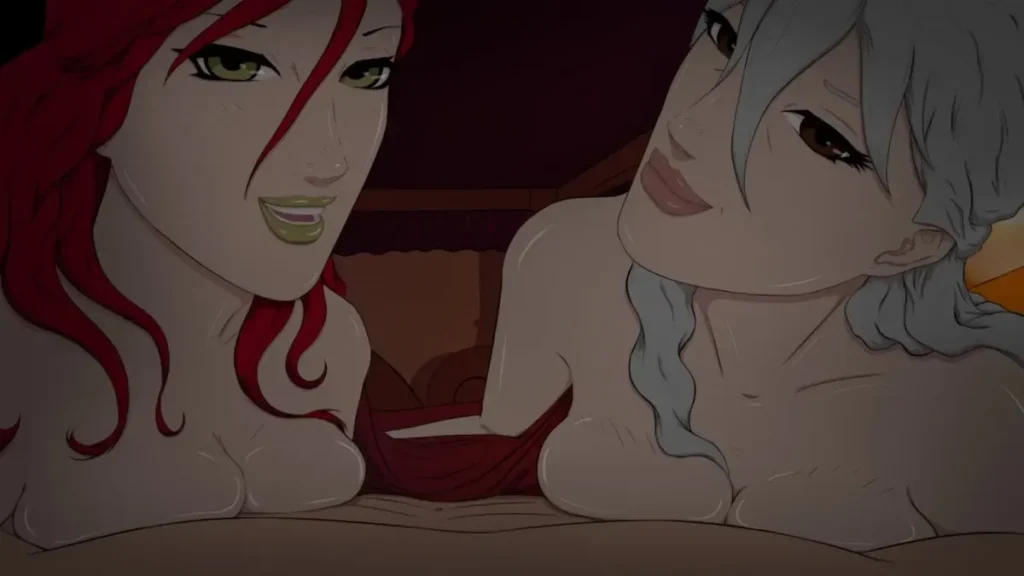
The Fate of Irnia review
Dive into a fantasy world where your decisions unlock romances, invasions, and dark twists
Imagine inheriting a mysterious orb that whispers seductive secrets, thrusting you into the heart of Irnia’s looming crisis. The Fate of Irnia isn’t just another visual novel—it’s a gripping fantasy adventure where every choice ripples through romances, alliances, and an impending orc invasion. I remember my first playthrough: dying early, meeting a captivating entity, and getting a second chance with a powerful curse. That hook pulled me back for hours of branching stories and intimate encounters. Whether you’re chasing sweet bonds or intense dominations, this game delivers replayable thrills. Let’s explore what makes The Fate of Irnia a must-play.
What Makes The Fate of Irnia’s Story and World So Addictive?
I remember the first time I heard the drums. 🥁 I was deep in conversation with a merchant in the Sunstone Bazaar, haggling over the price of a supposedly ‘enchanted’ dagger, when a low, rhythmic thudding began to echo from the distant Cinderwall Mountains. The merchant’s face went pale. “The Arworos,” he muttered, barely a whisper. “Twelve years… right on time.” In that moment, the entire bustling market square of the Irnia kingdom fantasy setting seemed to hold its breath. The vibrant silks and spices suddenly felt fragile against the impending shadow. This is the heartbeat of The Fate of Irnia story—a world of beauty perpetually living on borrowed time.
How the Orc Invasion Shapes Irnia’s Tense Atmosphere
This isn’t just a random monster attack. The orc invasion Irnia fears is a cyclical, generational catastrophe. Every twelve years, like a vile tide, the brutal Arworos hordes pour from their volcanic homeland, testing the kingdom’s defenses to their absolute limit. This looming deadline shapes everything. 🗓️
Politicians scramble for alliances, knowing resources will be stretched thin. Old grudges between noble houses are forced into the open—do you unite against the common foe, or settle scores before the storm hits? I’ve seen players spend entire playthroughs just navigating these pre-invasion tensions, forging treaties or sowing dissent that dramatically alters who stands on the walls when the first siege ladders hit. The world state changes are palpable. One choice might see the proud Elven archers of the Silverwoods guarding the pass, while another leaves that crucial flank defended by hesitant, poorly-equipped mercenaries. The invasion isn’t just an event; it’s the gravity well that bends every political and personal story around it.
Uncovering Secrets with Your Magical Orb Companion
Amidst all this political and military tension, your greatest tool isn’t a sword—it’s a mysterious artifact known simply as the Orb. 🟣 Finding it in the ruins of a fallen wizard’s tower was my single most game-changing moment. The magical orb mechanics are deceptively simple: it allows you to glimpse the inner thoughts and hidden desires of those around you, creating openings for persuasion, alliance, or… more intimate connections.
Let me give you a case study. Early on, I was tasked with convincing a stubborn garrison captain to redeploy his troops to a weaker sector. Diplomatic checks failed. Instead, I used the Orb. It revealed not just his strategic doubts, but a deep-seated fear of failing his father’s legacy. By addressing that personal wound, I didn’t just get my troops—I unlocked a whole loyal companion subplot. The Orb’s power to influence, particularly in lowering emotional guards and heightening receptivity, can turn a dead-end conversation into a pivotal story branch. It’s the ultimate key for a branching narrative Irnia is famous for, letting you hack the social landscape as surely as a rogue picks a lock.
Player Choices That Truly Alter the Kingdom’s Destiny
This is where The Fate of Irnia separates itself from the crowd. There is no “illusion of choice” here. Every decision, from sparing a bandit to sharing a bottle of wine with a potential lover, has weight. The narrative doesn’t just fork into a “good” and “bad” path; it spiderwebs into a vast tapestry of outcomes. I’ve felt the genuine gravity of command, sitting in the war council, knowing that sending troops to save one village will doom another to the orc invasion Irnia cannot fully stop.
The multiple endings Fate of Irnia offers are a direct result of this cumulative, interlocking choice system. I’ve seen endings where Irnia stands triumphant and united, where it falls into ruin as a new orcish territory, and even one where a personal betrayal leads to a magical cataclysm that reshapes the continent. Your ending isn’t chosen in a final scene; it’s built, brick by brick, with every whispered secret and every stood ground.
To help visualize the scale, here’s a look at how major decision paths can diverge:
| Choice Type | Primary Outcomes | Unlocked Content & Risks |
|---|---|---|
| Moral Path (Honor, Mercy) | Stronger long-term alliances, loyalty from key companions, diplomatic solutions. | Access to peaceful resolutions, revered status in temples and courts. Risk: Being perceived as weak by ruthless foes. |
| Risky Path (Cunning, Ambition) | Immediate power gains, control through fear or blackmail, wealth accumulation. | Unlocks shadow networks, forbidden magic, ruthless companion options. Risk: Creating bitter enemies and fragile alliances. |
| Orb Manipulation Path | Deep personal insights, unlocked romance arcs, manipulation of emotional states. | Access to exclusive character backstories and intimate scenes. Risk: Overuse can lead to psychic backlash or broken trust. |
My practical advice? Don’t try to “game” your first playthrough. 🎮 The magic is in living with your instincts and their consequences. That said, if you want to explore efficiently, pay close attention to the “Fates” tab in your journal. It doesn’t spell things out, but it tracks major character dispositions and kingdom stability levels—your best clues to the world state changes happening under the surface. Talk to everyone again after a big decision. The rumor mill in the tavern is a better guide to your impact than any quest log.
In the end, the authenticity comes from knowing that Irnia is a living kingdom that will continue with or without you. I learned this hardest in a failed playthrough where I arrogantly charged an orc warlord too early. The game didn’t fade to black with a “Game Over.” Instead, I was greeted by a chilling, serene figure…
“Your mortal shell is broken, little spark,” Death murmured, its voice like rustling parchment and cold stone. “But the curse upon you is a chain I cannot sever. You are bound to Irnia’s fate. Take your memories, bitter though they are, and try again. Perhaps you will learn the weight of a kingdom’s life this time.”
It was a devastating, yet brilliant, reminder. In The Fate of Irnia story, even an ending is just another kind of beginning.
The Fate of Irnia masterfully blends fantasy intrigue, steamy romances, and choices that hit hard, from orb-fueled seductions to Death’s dark gifts amid orc shadows. My journeys through Jenny’s warmth, Ghorza’s fire, and branching fates left me hooked, each playthrough a fresh tale of power and passion. If you’re craving a visual novel where you truly shape the story, grab it now—experiment with risky paths, chase every romance, and see Irnia’s destiny unfold your way. Your next adventure awaits; what ending will you claim?